Understanding Masculinity in Today’s World
When you hear the word “masculine,” what comes to mind? For many men, this simple question can elicit a sideways glance or an uncomfortable pause. The concept of masculinity has been defined and redefined throughout generations, often leaving men wondering where they stand in relation to these expectations.
Traditional definitions of masculinity often emphasize toughness, emotional restraint, and dominance. “Be tough,” “don’t cry,” “feelings don’t matter”—these are the messages many men absorb from an early age. In many ways, masculinity has been reduced to external markers: financial success, sexual prowess, and the respect commanded from others. The value of a man has historically been measured by what he has, rather than who he is.
But this narrow definition of masculinity comes with significant costs—costs that affect not only men themselves but also their relationships and broader society.
Watch the Episode Here
Toxic Masculinity: What It Is (and Isn’t)
It’s important to clarify what we mean by “toxic masculinity,” as the term itself can be misunderstood. When we discuss toxic masculinity, we’re not attacking masculinity as a whole. Think of it like a cheeseburger—most people enjoy a good cheeseburger, but no one wants rat poison in their burger. The burger itself isn’t the problem; it’s the toxic elements added to it that cause harm.
Similarly, masculine traits and characteristics aren’t inherently problematic. It’s when certain aspects become corrupted or toxic that issues arise. Some key elements of toxic masculinity include:
Emotional Suppression
The belief that real men don’t experience or express emotions, especially vulnerable ones like sadness, fear, or hurt. This suppression creates a disconnect from one’s emotional reality and limits the capacity for genuine connection.
Aggression as Strength
The misconception that strength is demonstrated primarily through dominance, control, and aggression. This mindset equates power with the ability to intimidate or overpower others.
Objectification and Devaluation
Viewing women as objects or tools rather than full human beings with agency and value. This includes the belief that women are weaker or less capable and “need” men to function properly.
Control as Power
The idea that masculinity is defined by having control—over oneself, others, and circumstances. The more control a man has, the more masculine he is perceived to be.
Entitlement
A sense that certain privileges, behaviors, or treatments are deserved simply by virtue of being male. This entitlement can manifest in relationships, workplaces, and society at large.
These toxic elements create barriers instead of bridges. They impede genuine connection and perpetuate harmful patterns of behavior that damage men and those they care about.
The Impact of Toxic Masculinity
The effects of toxic masculinity extend far beyond the individual man. When men adhere to these unhealthy standards, they create barriers that prevent genuine intimacy and connection. The constant need to maintain a facade of strength and invulnerability creates isolation and loneliness.
For men themselves, toxic masculinity limits their emotional range and authenticity. When the only acceptable emotion is anger, all other feelings—grief, fear, joy, tenderness—must be channeled through this narrow outlet or suppressed entirely. This emotional suppression doesn’t eliminate feelings; it merely forces them to emerge in unhealthy ways, often manifesting as depression, addiction, or explosive outbursts.
In relationships, toxic masculinity creates power imbalances and prevents the vulnerability necessary for true intimacy. When a man views his partner as someone who must fulfill certain roles or meet specific expectations, rather than as an equal with autonomy and worth, the relationship suffers. Entitlement within relationships is particularly poisonous, leaving both parties unfulfilled and disconnected.
The hollowness that results from these disconnections often leads men to seek fulfillment in harmful ways. Unable to experience the depth and richness of genuine emotional intimacy, some turn to addictive behaviors—including sexual compulsivity—in an attempt to fill the void.
The Transition to Healthy Masculinity
The journey from toxic to healthy masculinity isn’t straightforward. Many men experience what might be described as a pendulum swing—moving from one extreme (toxic masculinity) to another (becoming a “doormat” with no boundaries or sense of self).
This “floating saint” phenomenon occurs when men abandon their toxic behaviors but haven’t yet developed a healthy alternative. They become whoever they think others want them to be, still seeking external validation rather than developing internal strength and authenticity. While this may appear to be progress, it lacks integrity and fails to address the underlying issues.
Healthy masculinity requires finding the middle ground—standing firmly in one’s values while respecting others, having boundaries without building walls, expressing strength without dominance. This balance enables men to create safety both within themselves and in their relationships.
Four Pillars of Recovery and Healthy Masculinity
For men seeking to cultivate healthy masculinity and heal their relationships (including their relationship with themselves), four essential components provide a foundation:
1. Humility
Recognizing one’s limitations, mistakes, and areas for growth without shame or defensiveness. Humility allows men to see themselves accurately—neither inflating nor diminishing their worth and capabilities.
2. Vulnerability
Perhaps the most misunderstood aspect of healthy masculinity is vulnerability. Many men have been taught that vulnerability equals weakness—that exposing oneself is akin to removing armor on a battlefield, leaving one susceptible to attack.
This battlefield mentality makes sense if one views the world (or one’s partner) as the enemy. But in the context of genuine relationships, vulnerability is the gateway to intimacy. You cannot be truly close to someone while hiding behind walls. Contrary to traditional teaching, vulnerability requires tremendous strength—the courage to be seen as you truly are, with all your imperfections and feelings.
3. Transparency
Being honest about one’s thoughts, feelings, and actions, even when it’s uncomfortable. Transparency builds trust and creates the foundation for authentic relationships.
4. Empathy
The ability to understand and share the feelings of another. Empathy bridges the gap between individuals and fosters genuine connection and mutual understanding.
These four elements run counter to toxic masculinity but are essential for developing healthy masculine identity and relationships. They require alignment with one’s authentic self and a foundation of clear personal values.
The Power of Unmasking
For many men, the journey toward healthy masculinity involves identifying and removing the masks they’ve worn to conform to society’s expectations. These masks may have served a protective function at one point, but they ultimately prevent authentic connection and personal growth.
Unmasking is a process of exploring the origins of these protective facades—understanding why they formed, recognizing how they’ve shaped behavior and relationships, and learning to function without them. This process requires courage, as it involves facing painful realities and emotions that may have been avoided for years or decades.
The toll of inauthenticity extends beyond relationships—it affects mental health, physical well-being, and overall quality of life. Living behind a mask is like spreading tar over every aspect of existence; it dulls experiences and prevents genuine engagement with life.
The shedding of masks doesn’t happen overnight. It involves:
- Recognizing what’s inside that you don’t want others to see
- Understanding the origins of these fears and insecurities
- Practicing vulnerability in safe contexts
- Developing self-acceptance and self-compassion
- Building resilience to handle rejection and criticism
As men engage in this unmasking process, they often discover that the parts they’ve hidden are precisely the aspects that enable deep connection with others. Paradoxically, the vulnerability they feared would make them weak becomes their greatest source of strength and connection.
Rebalancing Power in Relationships
For men who have maintained secrecy or control in relationships, the transition to transparency and equality can feel like a loss of power. This discomfort doesn’t indicate weakness or submission—it reflects a rebalancing of power to a healthier equilibrium.
When one partner has operated from secrecy, they’ve deprived the other of choice and agency. Reestablishing balance requires acknowledging this imbalance and taking steps to restore equal footing. This rebalancing may temporarily feel like powerlessness to the person who previously held disproportionate control, but it’s actually the creation of a healthier dynamic.
A healthy relationship doesn’t require one person to dominate or the other to submit. It thrives on mutual respect, shared vulnerability, and balance. Men who embrace this reality often discover that their relationships become stronger, more fulfilling, and more secure than they were under the old paradigm of control and power.
The Path Forward: Embracing Authentic Masculinity
The journey from toxic to healthy masculinity isn’t a quick fix or simple change. It requires commitment, self-reflection, and often professional guidance. Men must be willing to invest time, energy, and resources in their growth and healing.
There are no shortcuts in this process. Just as behavioral patterns weren’t established overnight, they won’t be transformed in an instant. The work of unmasking, healing, and developing new patterns of relating requires dedication and perseverance.
However, the rewards of this journey are immeasurable. Men who embrace healthy masculinity report deeper connections, greater emotional fulfillment, and improved overall well-being. Their relationships—with partners, children, friends, and themselves—flourish in ways they couldn’t have imagined while trapped in toxic patterns.
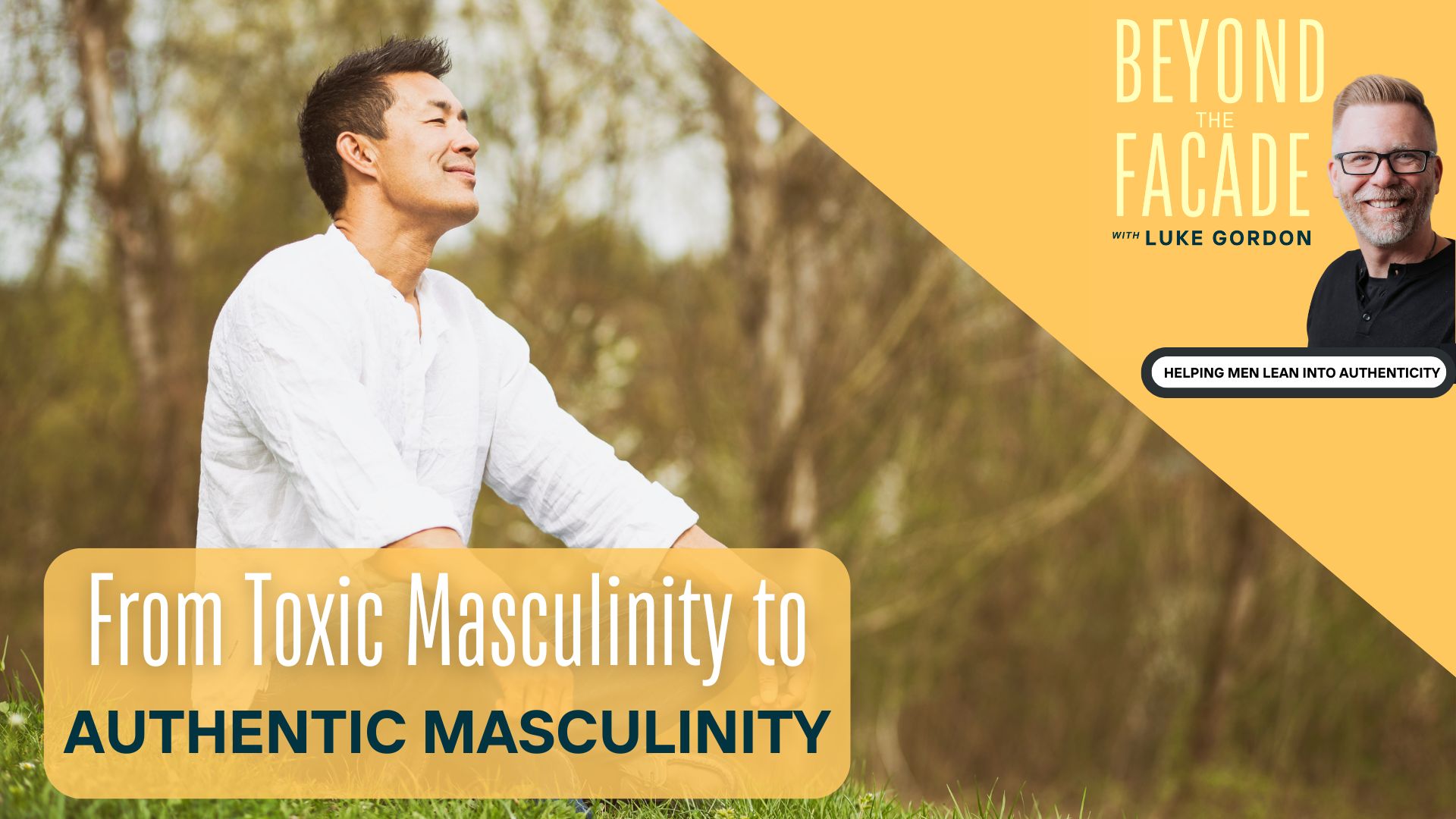
Authentic masculinity brings freedom. It allows men to experience the full range of human emotions, to connect deeply with others, and to live according to their values rather than societal expectations. It enables strength without domination, confidence without arrogance, and intimacy without fear.
How Professional Support Can Guide Your Journey
For many men, the path to authentic masculinity and healthy relationships benefits from professional guidance. The team at Choose Recovery Services specializes in helping individuals break free from harmful patterns and develop genuine connection and authenticity.
Through individual therapy, group work, and intensive programs, their experienced coaches provide tools and support for:
- Identifying and removing masks that prevent authentic connection
- Healing from past wounds that drive current behaviors
- Developing emotional intelligence and expressive capability
- Building relationships based on mutual respect and vulnerability
- Establishing healthy boundaries while maintaining connection
- Integrating authentic masculinity into daily life
By investing in professional support, men demonstrate commitment not only to their own well-being but also to the health of their relationships. This commitment represents true strength—the courage to face oneself honestly and do the necessary work to grow and heal.
The journey to authentic masculinity isn’t easy, but it’s profoundly worthwhile. With the right support and dedication, men can break free from toxic patterns and discover the freedom, connection, and fulfillment that come with living authentically.