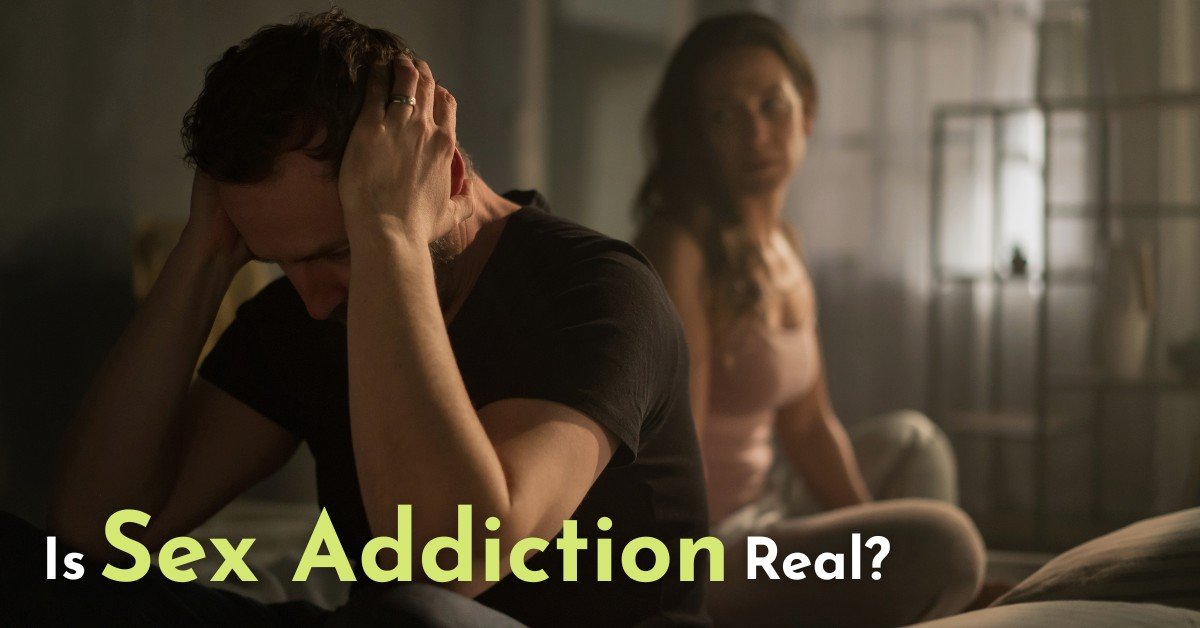
Resentment is one of the most misunderstood emotional experiences in healing relationships—especially after betrayal, addiction, or relational trauma. Many couples assume that if resentment were present, it would be obvious. It would sound like anger, sarcasm, or blame.
But in reality, resentment often lives quietly beneath the surface, shaping tone, distance, defensiveness, and emotional withdrawal long before it is ever named.
This is particularly true in recovery-focused relationships. When someone is attending therapy, following recommendations, and “doing everything right,” partners may feel confused by a lingering sense that something is still off. Conversations feel tense.
Emotional closeness feels limited. Repair attempts don’t quite land. And yet, when concerns are raised, resentment is often denied.
Understanding how hidden resentment works—and how it shows up behaviorally rather than verbally—is essential for both relational healing and emotional safety.
Watch the Episode Here
Resentment Doesn’t Have to Be Felt to Be Acted Out
One of the most important truths about resentment is that it does not require conscious awareness to influence behavior.
A person can genuinely believe they are not resentful while still acting from a place of resentment.
This often shows up as:
- Subtle defensiveness during conversations
- Emotional shutdown or withdrawal
- Resistance to boundaries or requests
- Minimal emotional engagement
- A sense of obligation rather than willingness
From the outside, these behaviors may look like exhaustion, overwhelm, or emotional fatigue. But for the receiving partner, the impact often feels like emotional rejection or disconnection.
This creates a painful incongruence: words communicate cooperation or commitment, while actions communicate distance or irritation. Over time, this mismatch can erode trust just as deeply as overt conflict.
Why Resentment Often Goes Unnoticed
Hidden resentment is rarely about cruelty or malice. More often, it is protected by shame, fear, and identity conflicts.
Many individuals in recovery desperately want to be seen as “good,” remorseful, or committed to change. Acknowledging resentment can feel threatening to that identity. It may bring up fears such as:
- “If I admit resentment, I’m a bad person.”
- “If I feel resentful, I’m invalidating my partner’s pain.”
- “If I acknowledge this, I might lose the relationship.”
As a result, resentment is pushed down rather than explored. But suppressed emotions don’t disappear. They leak out through behavior, tone, and emotional availability.
In this way, resentment often operates as a protector response—shielding a person from deeper emotions such as shame, humiliation, grief, or self-directed anger.
The Role of Shame and Self-Anger
In many healing relationships, resentment is not primarily directed at a partner—it is directed inward.
Individuals may feel anger toward themselves for the choices they made, the damage they caused, or the consequences they are now facing.
When that internal anger is not processed, it often becomes externalized. Requests for boundaries may feel like accusations. Conversations about impact may feel overwhelming. The nervous system interprets these moments as threats, even when no harm is intended.
Without emotional regulation and awareness, resentment can emerge quickly—especially during moments that activate guilt or shame. This does not excuse harmful behavior, but it does explain why resentment can appear suddenly and unexpectedly in recovery contexts.
Why Partners Feel It Before It’s Named
Betrayed partners often sense resentment long before it is acknowledged. This is not imagined. The body is highly attuned to relational safety and emotional cues.
When resentment is present, partners may notice:
- A change in energy during conversations
- Less emotional warmth or curiosity
- Increased tension around boundaries
- A sense of being tolerated rather than welcomed
When these experiences are denied or minimized, partners may begin to doubt themselves. They may question their perception or assume they are being overly sensitive. This self-doubt can be deeply destabilizing, particularly for those already navigating betrayal trauma.
Trusting one’s internal experience is not an accusation—it is a form of self-protection.
The Difference Between Awareness and Weaponization
Recognizing resentment is not the same as expressing it without responsibility. Emotional awareness must always be paired with emotional regulation.
Unregulated resentment can be damaging. It can turn into justification for defensiveness, withdrawal, or emotional aggression. This is sometimes referred to as weaponizing emotional insight—using therapeutic language to excuse harmful behavior.
Healthy awareness looks different. It involves:
- Naming internal experiences without blaming
- Taking responsibility for emotional responses
- Exploring what resentment is protecting against
- Seeking support to process deeper emotions
Resentment is not a permission slip for harmful behavior. It is an invitation to deeper work.
What Partners Are—and Are Not—Responsible For
One of the most important boundaries in healing relationships is recognizing what belongs to whom.
Partners are not responsible for:
- Diagnosing their partner’s emotional state
- Interpreting whether resentment is conscious or unconscious
- Managing or soothing their partner’s internal experience
- Explaining away harmful behavior
Partners are responsible for:
- Honoring their own experience
- Protecting their emotional and physical safety
- Setting boundaries around interactions that feel unsafe
- Seeking support for their own healing
Trying to understand everything for a partner can unintentionally prevent that partner from doing their own emotional work. Healing requires accountability on both sides—but not over-functioning.

Resentment, Boundaries, and Emotional Safety
Boundaries often activate resentment not because they are unfair, but because they highlight loss of control or unmet internal needs. When boundaries are introduced, they can surface grief, fear, or insecurity that has not yet been processed.
This is why emotional regulation is essential. Without it, resentment becomes reactive rather than reflective.
Healing relationships require space for discomfort without collapse, avoidance, or retaliation. That space is built through emotional skill, support, and a willingness to go beneath surface reactions.
Moving Toward Healing Instead of Distance
Resentment does not have to destroy relationships. When acknowledged and explored responsibly, it can become a pathway to deeper understanding and repair.
Healing begins when individuals are willing to:
- Slow down reactive responses
- Notice emotional patterns without judgment
- Seek professional guidance
- Take ownership of internal experiences
And when partners are supported in:
- Trusting their intuition
- Staying grounded in their own reality
- Maintaining boundaries that protect their healing
Resentment loses its power when it is no longer hidden.
How Choose Recovery Services Can Help
Choose Recovery Services provides trauma-informed support for individuals and couples navigating betrayal, addiction recovery, and relational healing. Their team understands the complex emotional dynamics that surface during recovery, including shame, resentment, and emotional disconnection.
Through individual therapy, couples work, intensives, and educational resources, Choose Recovery Services helps clients:
- Develop emotional awareness and regulation
- Address hidden resentment without blame
- Build relational safety and accountability
- Support betrayed partners in reclaiming trust in themselves
Healing is not about perfection. It is about honesty, responsibility, and support. With the right guidance, resentment can become a doorway to deeper healing rather than another silent rupture.