Have you ever found yourself wondering:
“Why do I keep reacting this way?”
“Why does my partner shut down every time we have a difficult conversation?”
“Why do we keep having the same argument?”
The answer may have less to do with your marriage than you think.
Many of the patterns that create conflict, distance, and misunderstanding in our closest relationships were formed long before we ever met our spouse.
As children, we learned how to survive, how to stay connected, and how to protect ourselves when love didn’t always feel safe or consistent.
Understanding these patterns doesn’t excuse hurtful behavior.
But it can help us move from blame to curiosity, from shame to compassion, and from reacting automatically to responding intentionally.
We All Learned What Love Means
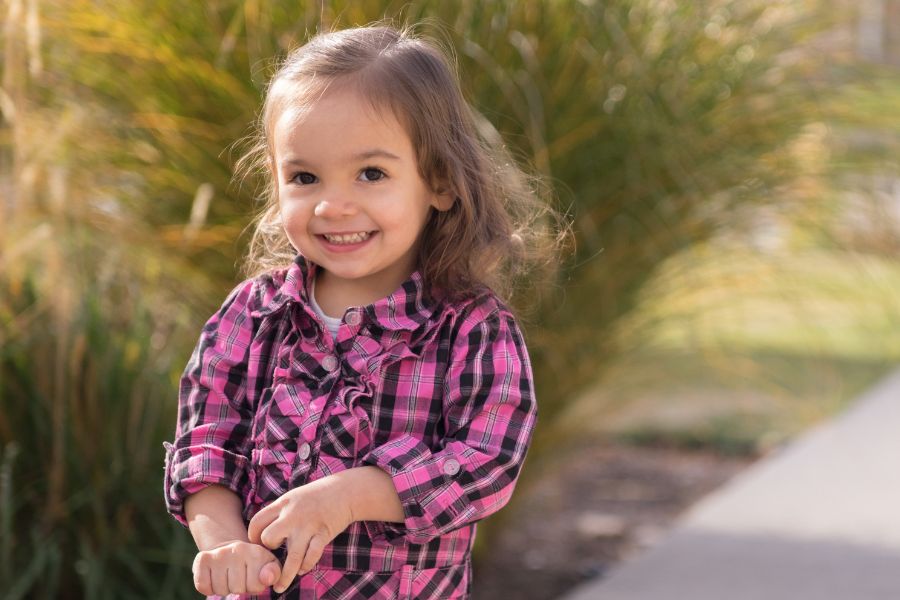
Every child is born with a deep need to be known, accepted, and loved simply because they exist.
When that need isn’t consistently met, we naturally begin adapting. We learn what we believe we must do to feel safe, valued, or connected.
Over time, these experiences become the stories we carry about ourselves and others.
Maybe your story became:
- I have to perform to be valuable
- My feelings are too much
- I can’t depend on anyone but myself
- If I make mistakes, people will leave
- I have to keep everyone happy
These aren’t just thoughts. They become the lens through which we interpret our relationships.
We Learn to Chase What We Needed
When we don’t experience being deeply known and accepted, we naturally begin looking for substitutes.
We may seek…
Approval. Achievement. Control.
Success. Being needed. Being admired.
None of these things are wrong in themselves. The problem is when they become our primary source of security or worth.
Many of the behaviors we struggle with in adulthood are simply attempts to get something we’ve been longing for all along.
Not because we’re bad, but because we’re hungry.
Our Nervous System Remembers
Attachment theory helps explain why these patterns feel so automatic.
Our earliest relationships teach our nervous system what to expect from closeness.
If love feels unpredictable, emotionally unavailable, or conditional, our bodies often stay on alert, scanning for signs that we’re about to be rejected, criticized, abandoned, or disappointed.
That’s why a simple disagreement can sometimes feel much bigger than the situation itself.
Your reaction isn’t only about today.
It’s also shaped by everything you learned in the past.
When Two Survival Strategies Marry Each Other
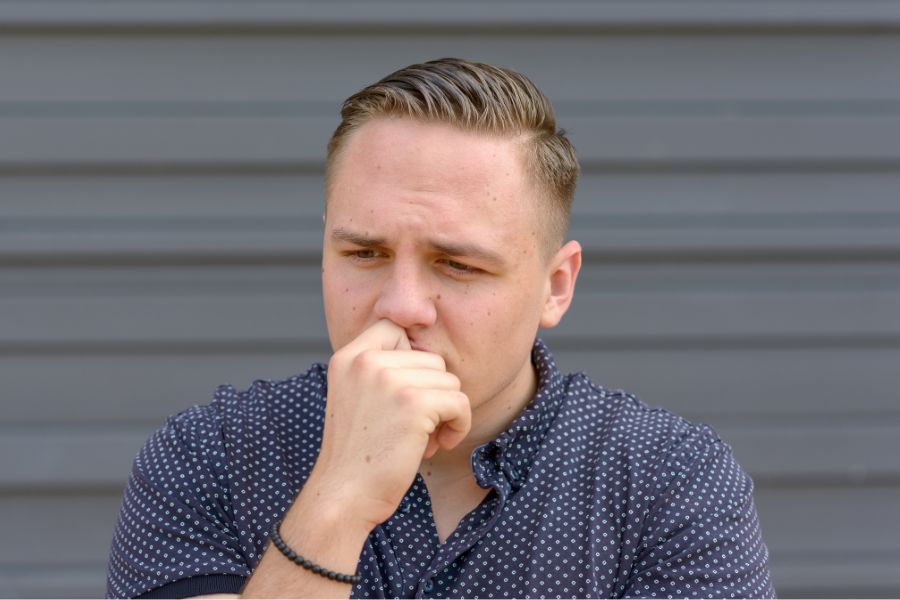
One of the greatest challenges in marriage is that two different survival systems are trying to protect two different people.
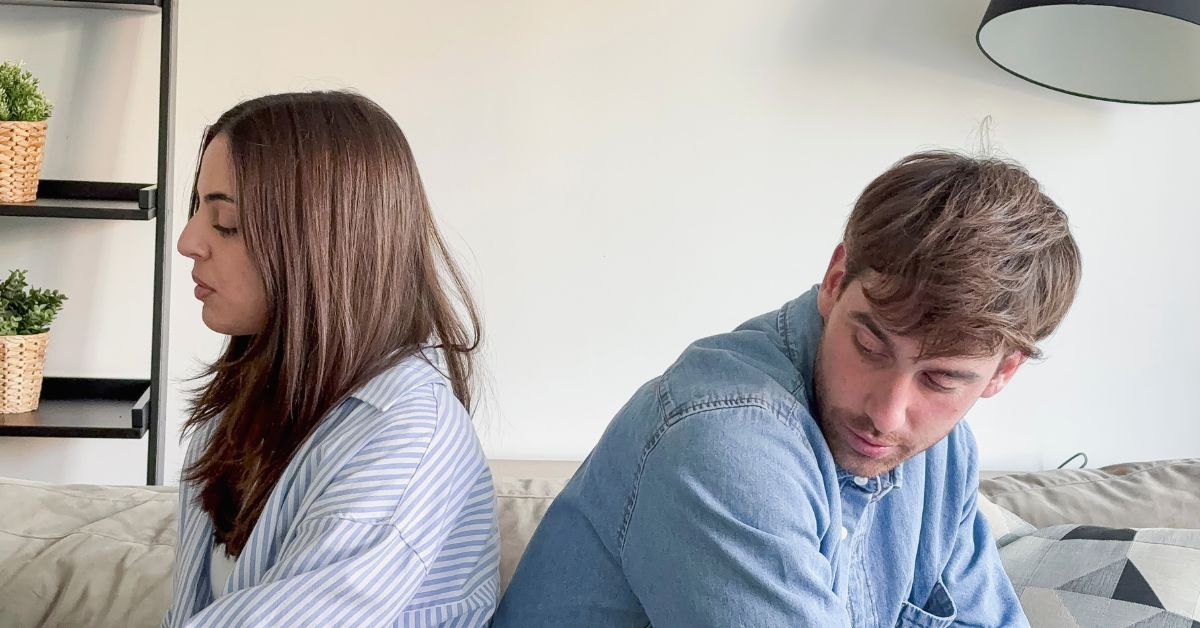
Imagine one spouse learned that conflict isn’t safe. Their instinct is to withdraw.
The other learned that emotional distance means abandonment. Their instinct is to pursue.
Neither person is trying to hurt the other. Both are trying to protect themselves.
Unfortunately, those protective behaviors often trigger the very fears they’re trying to avoid.
The more one withdraws, the more anxious the other becomes. The more one pursues, the more overwhelmed the other feels.
Soon, both people feel unseen, misunderstood, and alone.
The problem isn’t that either is doing something wrong. The problem is that both are reacting from old wounds.
Looking Beneath the Behavior
When we’re hurt, it’s easy to focus on what we can see.
“They’re controlling.”
“They’re defensive.”
“They’re emotionally unavailable.”
But behavior is only the surface.
Beneath criticism is often fear.
Beneath anger may be grief.
Beneath withdrawal may be overwhelm.
Story Work reminds us to ask a different question:
“What happened that taught this person to respond this way?”
That question doesn’t remove responsibility.
It creates understanding.
And understanding opens the door to change.
Love Heals What Fear Protects
Many of our reactions aren’t expressions of love.
They’re expressions of fear.
We criticize because we’re afraid. We withdraw because we’re overwhelmed. We control because we feel unsafe.
The irony is that these protective strategies often push away the very connection we’re longing for.
Real healing begins when we stop trying to earn love or protect ourselves at all costs, and instead begin learning what it means to both receive and offer genuine acceptance.
Being fully known—and not rejected—changes us.
It allows us to feel emotionally safe, and that allows our nervous system to relax.
When fear begins to lose its grip, we become free to respond with patience instead of panic, curiosity instead of defensiveness, and generosity instead of self-protection.
Growing Beyond Survival

Healthy marriages aren’t built by two people who have no wounds.
They’re built by two people who become increasingly aware of the stories they’ve carried, the attachment patterns they’ve developed, and the protective strategies they’ve relied upon.
As they experience greater honesty, acceptance, and emotional safety, something remarkable happens.
The old survival strategies that once felt necessary begin to loosen their grip.
Not because they’re forced to disappear, but because they’re no longer needed.
Healing isn’t about pretending the past never happened.
It’s about recognizing that the strategies which once helped you survive may now be preventing you from experiencing the connection you most deeply desire.
When we begin seeing ourselves—and our partners—through that lens, we stop asking, “What’s wrong with me?”
Instead, we begin asking, “What happened to me?”
Those questions have the power to transform not only a marriage, but the generations that follow.

Written by: Sammy Uyama | Recovery Coach, Real Love Coach RLC, and Story Work Practitioner