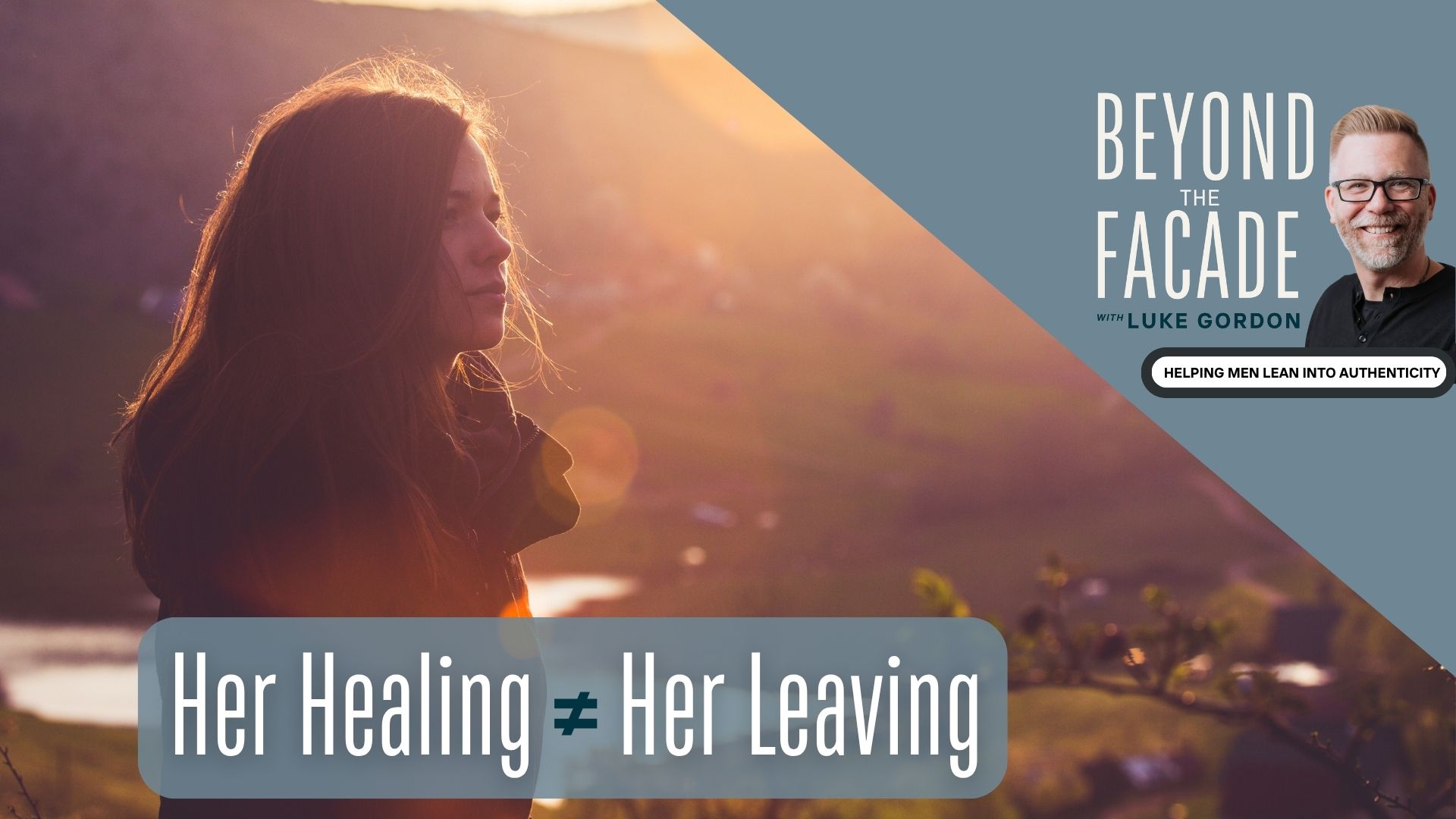
When healing from betrayal trauma, there’s often a critical component that gets overlooked—one that can make all the difference between simply surviving and truly thriving.
Many call it “the missing piece,” not because it’s the only important element in recovery, but because it remains largely unknown to those struggling through the aftermath of relational betrayal.
This missing piece? Nervous system regulation.
Watch the Episode Here
The Betrayal Trap: Getting Stuck in Validation
The journey through betrayal trauma typically begins with a desperate need for validation. After having your reality questioned or denied, finding people who understand and validate your experience feels like a life raft in stormy seas.
Many betrayed individuals find this initial validation in support groups or therapy, where they hear those critical words: “Yes, this is why you feel the way you feel.” This validation can be profoundly healing—and absolutely necessary.
But here’s where many get stuck.
It feels so good to be validated that we can inadvertently create what might be called an “island”—a safe space where our pain is understood and our experiences aren’t questioned. We build beautiful castles on these islands, with high walls that protect us from further harm. But over time, these same walls that keep us safe can also keep us isolated.
These islands can actually become really lonely places. Many partners stop here because it feels safe, and they don’t progress forward, becoming stuck in this phase for years.
The Problem With Power Struggles
When we remain in this validation-only stage too long, something subtle begins to happen. The power dynamic shifts. What was once a necessary sanctuary becomes a place where entitlement changes hands—from the betrayer to the victim.
This position of power can become seductive. The ability to be vengeful and spiteful might feel justified, but this state isn’t conducive to healing. On the contrary, it can lead to what is now recognized as “post betrayal syndrome,” characterized by metabolic issues, cardiovascular problems, digestive disorders, and other physical manifestations of unresolved trauma.
Support groups are invaluable when you need them, but there comes a point when perpetually revisiting trauma becomes counterproductive. If you find yourself in groups where you’re constantly being triggered without forward movement, where you’re essentially pretending there’s a fire where no fire exists, it may be time to explore new pathways toward healing.
Resetting the Nervous System Through Breathwork
One powerful tool for moving beyond trauma’s grip is breathwork—not the casual deep breathing most of us are familiar with, but a specific practice that facilitates profound nervous system reset.
This form of breathwork can be described as active breath work meditation, sometimes called “lazy man’s yoga” because participants lie down in Shavasana (resting pose). The practice typically involves a rhythmic breathing pattern—breathing deep into the belly, then into the heart, followed by exhalation—sustained for about 20 minutes.
What makes this practice transformative? When we’re in trauma, our breathing becomes shallow. Our posture changes.
Our entire physiology reflects our psychological state. Deep, rhythmic breathing introduces more oxygen to our cells, activating the body on a cellular level. Many people experience tingles throughout their bodies as their nervous systems begin to reset.
This approach physically and somatically shakes off accumulated stress. The breathing session is typically followed by a 15-minute Shavasana, often accompanied by music that facilitates a blissful moment—something that can seem unimaginable when you’re in the depths of trauma.
One important note: Finding a qualified breathwork facilitator is crucial. Retraumatization can happen depending on the experience of the facilitator. Always check credentials, ask questions, and be willing to advocate for yourself if something doesn’t feel right.
Beyond External Solutions: The Power of Internal Healing
A common pattern among betrayed partners is looking externally for relief: “Okay, I need my partner to change. Okay, I need this in my life to change.” We fixate on external factors, believing they hold the key to our wellbeing.
But the most powerful healing comes from within—specifically, from healing and regulating your own nervous system. This internal work creates a foundation of stability that no external circumstance can easily shake.
The only thing you can truly control is your breath and your connection to yourself. This simple truth becomes profoundly liberating when fully embraced.
Building on a Strong Foundation
Think of your healing journey as rebuilding a house after a natural disaster. The betrayal itself is like an earthquake or tornado that has destroyed the structure of your life. But if the original foundation was weak—perhaps due to childhood experiences with caregivers who themselves were struggling—simply rebuilding on the same foundation won’t create lasting stability.
This process involves rebuilding that structure again, but rebuilding it so well that even if another earthquake or tornado comes, it won’t take that long to bring the structure back up. With a solid foundation, recovery won’t take years to rebuild.
This rebuilding process involves reinforcing spaces that weren’t properly supported earlier in life. It means creating healthy boundaries, learning to say no, understanding what gaslighting looks like, and most importantly, developing the confidence to advocate for yourself when something doesn’t feel right.
Heart Walls and Freedom
Many of us have built walls around our hearts—protective barriers that keep pain out but also prevent joy from fully entering. Breaking down these “heart walls” can feel frightening initially, but it leads to profound freedom.
When you start breaking down those heart walls, the experience is truly freeing. For many betrayed partners, there’s a deep fear that having compassion for their partner’s trauma or what led them to acting out means excusing or approving of that behavior.
It’s important to distinguish between compassion and excusing harmful behavior. Compassion doesn’t mean giving someone a “free pass” or removing accountability. Rather, it means being able to see the whole picture—including the trauma that likely contributed to compulsive behaviors—without letting go of your boundaries.
In our pain, we often hold onto that pain from a protective place so tightly that we don’t allow ourselves to heal. We’re not removing accountability by developing compassion, but we are creating space for our own healing.
Being able to hold space for complexity—for both accountability and compassion—is a sign of profound healing and integration.
Breaking Generational Patterns
One of the most transformative aspects of doing your own nervous system healing work is how it impacts not just your life but potentially generations to come.
When you look closely at family dynamics, you’ll often notice patterns of dysregulation passed down through generations. A mother who struggles with rage or emotional regulation likely had parents who modeled similar patterns. These patterns continue until someone in the lineage does the difficult work of breaking the cycle.
When you see healthy, functional families, it’s often because someone in their lineage did some heavy lifting to ensure their lineage would be different. By doing your own healing work, you become that person for your family line.
This work often means temporarily becoming the “black sheep”—the one who questions the status quo and refuses to participate in unhealthy family systems. It can feel isolating at first, but as you strengthen your own nervous system and boundaries, you begin to model new possibilities for those around you.
Remember that while generational trauma can be passed down, so can generational healing. This healing can even be “passed back” through the generations, influencing parents and grandparents as they witness the positive changes in your life.
Finding Safety in Your Body and Choices
At its core, healing from betrayal trauma means learning to feel safe again—safe in your body, safe in your choices, and safe in how you show up in the world.
This process takes time. It involves processing shame that doesn’t belong to you and learning to trust your own instincts again. It means moving from hypervigilance and survival mode to a place of sovereignty over your feelings and responses.
Having power over yourself, having sovereignty over how you get to feel, react, and respond—this is both beautiful and priceless.
Human Design and Understanding Your Unique Path
For some trauma survivors, exploring systems like Human Design offers additional insights into patterns and tendencies. Human Design combines elements from various systems including astrology, the I Ching, Kabbalah, and chakra systems to create a “bodygraph” that allegedly maps your energetic makeup and life purpose.
Learning about your human design can help identify the reasons why certain patterns emerged in your life. Understanding family patterns through this lens can sometimes offer new perspectives on why certain dynamics played out as they did.
Whether you explore Human Design or other frameworks, the key is finding what resonates with your own healing journey. Not every approach works for every person, which is why staying curious is so important.
The Path Forward: Stay Curious
For those just beginning their healing journey after betrayal, perhaps the most important advice is simply to stay curious. Everyone’s healing is unique. While frameworks and general approaches can be helpful, they need to be adapted to your specific circumstances and needs.
The goal is to figure out what feels good for you and to let go of things that don’t. Ultimately, what matters is that you feel safe in your body, safe in your choices, and safe in how you’re showing up in the world—which could be messy right now.
This messy period is normal and necessary. Many people around you may not understand what you’re going through, especially if they’re unfamiliar with betrayal trauma. Be patient with yourself during this process.
Remember that healing isn’t linear. It takes time, and there will be setbacks along the way. But there is hope. As you open yourself to healing possibilities, you’ll be drawn to the resources, people, and practices that resonate with your needs.
When you are open and ready for more, things will come. As you remain open and continue looking for resources, you will be led and guided to the right person, the right course, or whatever else you need for your healing journey.
How Choose Recovery Services Can Help
At Choose Recovery Services, our team of experienced coaches specializes in guiding individuals through the complex journey of healing from betrayal trauma. We understand that nervous system regulation is a crucial component of recovery that many traditional approaches overlook.
Our comprehensive approach includes:
Nervous System Reset & Regulation: We provide specialized techniques including breathwork sessions, somatic experiencing, and other evidence-based approaches to help your body move out of fight-or-flight responses and into a state where deeper healing becomes possible.
Beyond Validation Groups: While validation is essential in early recovery, our programs are designed to help you move through each stage of healing without getting stuck. We offer phase-specific support that evolves as your needs change.
Holistic Healing Framework: Our coaches recognize that true healing must address body, mind, and spirit. We provide tools to strengthen each of these aspects, creating a foundation so solid that future challenges become more manageable.
Breaking Generational Patterns: Many of our clients discover that their healing journey not only transforms their own lives but positively impacts their entire family system. Our coaches provide support as you navigate these shifting dynamics.
Custom Recovery Pathways: We recognize that everyone’s healing journey is unique. Our coaches help you discover what approaches resonate most strongly with your specific situation and needs.
The journey through betrayal trauma is challenging, but you don’t have to walk it alone. Our team at Choose Recovery Services is committed to helping you not just survive this experience, but use it as a catalyst for profound transformation.
If you’re ready to move beyond merely coping and begin truly thriving, we invite you to reach out. Your journey to nervous system regulation, emotional freedom, and authentic empowerment is waiting.
Remember: You have the capacity to feel safe in your body again. You have the right to make choices that honor your needs. And you deserve to experience the freedom that comes when you reclaim your power from trauma’s grip.