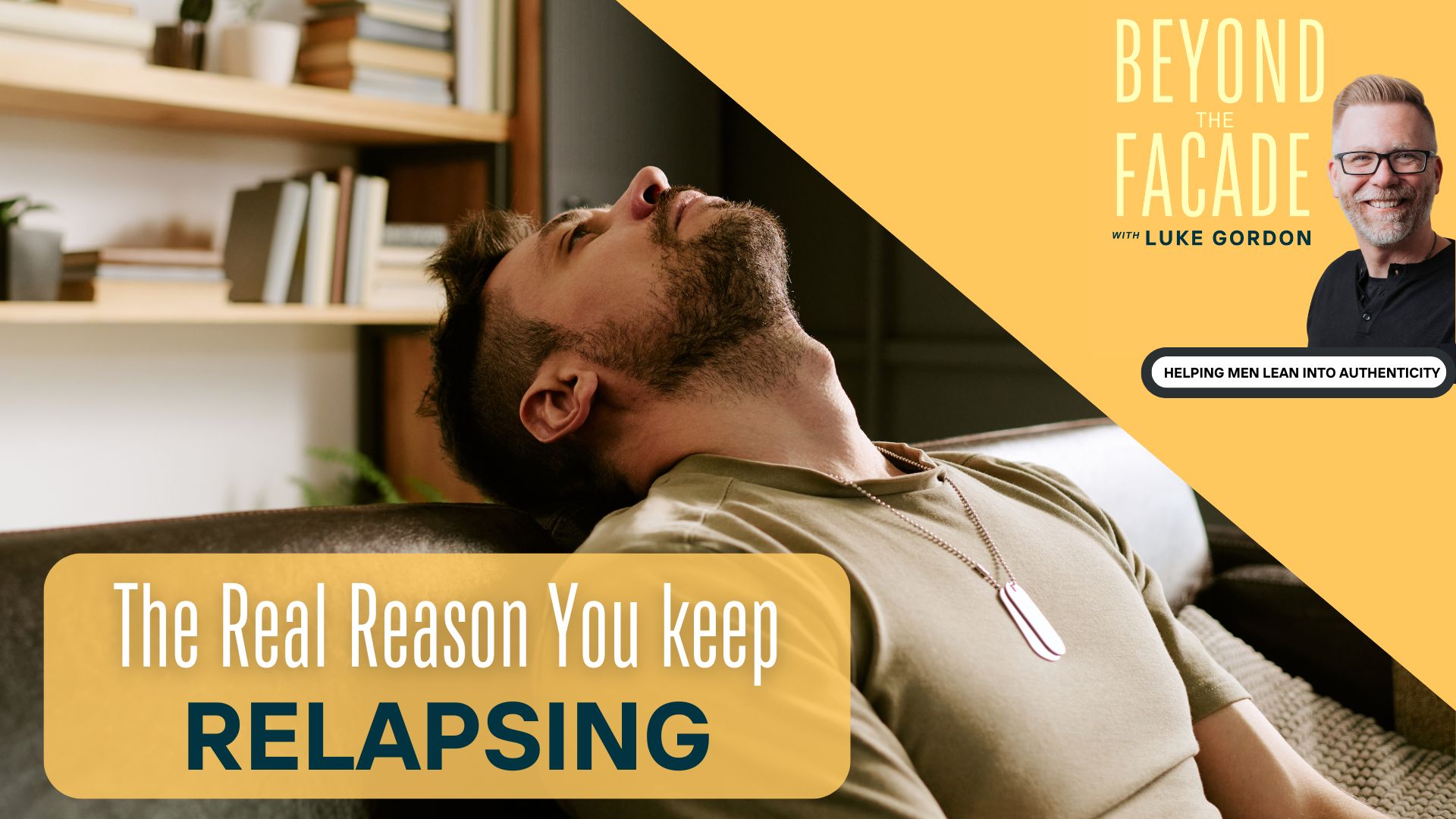
Many people believe recovery succeeds or fails in a single moment.
They imagine that lasting change depends on resisting temptation at exactly the right time, assuming that relapse begins the instant someone acts outside their values. While this belief is common, it often keeps individuals focused on the wrong part of the recovery process.
In reality, compulsive sexual behavior, pornography addiction, and other unhealthy coping patterns rarely begin with the behavior itself. Instead, they are often the final expression of an emotional cycle that has been developing for hours or even days.
Understanding this shift in perspective can dramatically change how someone approaches recovery. Instead of asking, “Why did I relapse?” a more productive question becomes, “What was happening long before I experienced the urge?”
This change in thinking moves recovery away from simply managing behavior and toward understanding the emotional, psychological, and physiological experiences that make unhealthy coping feel necessary.
Rather than living in a cycle of shame and repeated setbacks, individuals can begin building the emotional awareness and resilience that create lasting freedom.
Watch Here:
Why Relapse Is Usually the End of the Cycle
When someone struggles with compulsive sexual behavior or pornography addiction, it is tempting to believe the problem begins the moment they view pornography, contact someone outside their relationship, or engage in another unwanted behavior. However, these actions are typically the final step in a much larger process.
Hours or days beforehand, stress may have been building unnoticed. Conflict in a relationship may have created feelings of rejection. Work pressure may have produced anxiety. Loneliness, exhaustion, disappointment, grief, or insecurity may have quietly accumulated until the nervous system began searching for relief.
By the time the behavior occurs, the emotional system has often been signaling distress for quite some time.
This understanding changes everything because recovery is no longer centered solely on stopping behaviors. Instead, it becomes an opportunity to recognize emotional patterns earlier and respond to them in healthier ways.
Your Brain Is Trying to Solve a Problem
One of the most important concepts in addiction recovery is recognizing that the brain is constantly attempting to solve problems. While compulsive behaviors create painful consequences, the brain is rarely choosing those behaviors because it wants to cause harm. Instead, it is searching for the fastest way to reduce emotional discomfort.
For someone struggling with pornography addiction or compulsive sexual behavior, the brain may have learned over many years that certain behaviors temporarily reduce stress or numb painful emotions. Even though those behaviors ultimately increase shame and damage relationships, they become familiar solutions.
This explains why recovery cannot rely on willpower alone. Familiar coping strategies often feel automatic because they have been reinforced repeatedly over time. The brain naturally prefers what is predictable, even when it is unhealthy.
Understanding this dynamic helps reduce unnecessary shame while still maintaining accountability. Recognizing why the brain chooses familiar behaviors does not excuse harmful actions, but it does provide a roadmap for meaningful change.
Familiar Does Not Mean Healthy
Human beings naturally gravitate toward familiar experiences. Whether healthy or unhealthy, the brain prefers predictable pathways because they require less effort and feel safer.
This tendency explains why many people remain stuck in unhealthy coping patterns despite sincerely wanting to change. Pornography, fantasy, emotional withdrawal, alcohol, excessive work, or other compulsive behaviors may have become deeply practiced methods of regulating uncomfortable emotions.
The challenge of recovery is that healthy alternatives initially feel unfamiliar. Reaching out to another person, expressing vulnerability, sitting with painful emotions, practicing mindfulness, or attending therapy often feels uncomfortable because these behaviors have not yet become well-established pathways.
Growth requires choosing what is healthy before it feels natural.
Relief Is Not the Same as Healing
One of the biggest misconceptions in recovery is confusing relief with healing.
Relief happens when emotional discomfort temporarily decreases. Healing occurs when the underlying wounds begin to transform.
Someone may experience relief after acting out because difficult emotions temporarily disappear. Another person may feel relief after confessing harmful behaviors because secrecy has ended. While both experiences may reduce emotional tension, neither automatically produces lasting recovery.
Healing requires addressing the underlying issues that continue driving the cycle. Those issues may include unresolved shame, attachment wounds, chronic loneliness, perfectionism, anxiety, trauma, or deeply rooted beliefs about identity and self-worth.
Without addressing these deeper experiences, temporary relief often gives way to another cycle of emotional pain.
Building Emotional Tolerance
One of the most valuable recovery skills is learning that discomfort is not dangerous.
Many individuals enter recovery believing their goal is to eliminate painful emotions altogether. In reality, emotional health develops by increasing the ability to remain present during discomfort without immediately escaping it.
Building emotional tolerance includes practices such as:
- Naming emotions with greater accuracy.
- Recognizing where emotions are experienced in the body.
- Developing healthy nervous system regulation.
- Practicing mindful breathing.
- Moving the body through exercise or walking.
- Reaching out to trusted support people.
- Learning healthy coping strategies instead of avoidance.
As emotional tolerance increases, urges often lose intensity because the nervous system no longer believes escape is the only available solution.
Creating New Emotional Pathways
Changing lifelong coping patterns rarely feels easy. Old habits have been strengthened through repetition, while healthier responses may feel awkward or unnatural at first.
Imagine water flowing through the same channel for years. It naturally follows the path that already exists. Redirecting that water requires intentional effort until a new pathway is gradually formed. The same principle applies to emotional healing.
Every time someone chooses connection instead of isolation, honesty instead of secrecy, or emotional awareness instead of avoidance, they strengthen new neural pathways that support lasting recovery.
Although these choices may initially feel difficult, consistent practice gradually makes healthy responses more automatic.
Curiosity Creates Better Recovery
Shame often asks, “What’s wrong with me?”
Curiosity asks, “What happened?”
This small shift produces enormous change because curiosity invites learning rather than self-condemnation. Instead of immediately criticizing themselves after a setback, individuals can begin exploring what their emotional system was communicating.
Helpful questions include:
- What happened during the last 24 hours?
- What emotions have I been avoiding?
- Where have I felt disconnected?
- What needs have gone unspoken?
- What support did I avoid reaching for?
- What was my nervous system trying to accomplish?
These questions help uncover patterns that would otherwise remain invisible and create opportunities for meaningful intervention long before unhealthy behaviors occur.
Learning to Regulate Instead of Escape
Emotional regulation is one of the most important skills in recovery because it teaches individuals that difficult emotions can be experienced without immediately acting on them. Many people who struggle with compulsive sexual behavior have spent years developing habits that quickly reduce emotional discomfort. While those behaviors may temporarily provide relief, they never resolve the emotions that created the distress in the first place.
Learning emotional regulation means slowing down enough to notice what is happening internally before reacting automatically. It involves recognizing physical sensations, identifying emotions accurately, and allowing those experiences to exist without immediately trying to eliminate them. This process often feels unfamiliar because the nervous system has been conditioned to seek immediate relief rather than emotional presence.
Several practical tools can strengthen emotional regulation over time:
- Practice slow, intentional breathing to calm the nervous system.
- Engage in physical movement such as walking, stretching, or exercise when emotional intensity rises.
- Journal thoughts and emotions instead of suppressing them.
- Develop mindfulness practices that increase awareness without judgment.
- Reach out to trusted support people before isolation becomes overwhelming.
- Create consistent daily routines that support emotional and physical health.
These tools are not designed to eliminate painful emotions. Instead, they help increase the capacity to experience those emotions without becoming controlled by them. Over time, the nervous system learns that discomfort is temporary and manageable, reducing the urgency to escape through compulsive behaviors.
Why Connection Is Essential for Recovery
Compulsive behaviors often thrive in secrecy and isolation. When individuals feel overwhelmed by shame, they frequently withdraw from the very relationships that could provide support and healing.
Unfortunately, isolation tends to intensify emotional distress, creating even greater vulnerability to unhealthy coping strategies.
Healthy recovery involves intentionally moving toward safe relationships rather than away from them. Trusted therapists, recovery groups, mentors, sponsors, and emotionally healthy friends provide accountability while also reminding individuals they are not alone.
Connection serves several important purposes during recovery:
- It interrupts isolation before emotional distress becomes overwhelming.
- It provides perspective during moments of discouragement.
- It helps regulate the nervous system through safe human interaction.
- It creates accountability without relying solely on self-discipline.
- It reinforces healthier patterns of vulnerability and authenticity.
Although reaching out may initially feel uncomfortable, repeated experiences of safe connection gradually reshape expectations about relationships. Instead of assuming vulnerability leads to rejection, individuals begin discovering that authentic relationships often become one of the strongest foundations for lasting recovery.
The Importance of Listening to Your Emotions
Many people entering recovery have spent years viewing emotions as obstacles to overcome or problems to solve. Anger feels dangerous. Sadness feels weak. Fear feels overwhelming. Loneliness feels unbearable. Rather than listening to these emotions, they attempt to silence them.
However, emotions are not enemies. They are information.
Every emotion communicates something important about our needs, experiences, relationships, or environment. Anxiety may indicate uncertainty or fear. Sadness may point toward grief or loss. Loneliness may reveal a longing for meaningful connection. Frustration may signal unmet expectations or unresolved conflict.
Ignoring these messages does not make them disappear. Instead, they often become louder until the individual finds some way to reduce the discomfort.
Recovery involves learning to ask compassionate questions whenever difficult emotions arise:
- What is this emotion trying to tell me?
- What need might be underneath this feeling?
- Have I experienced something similar before?
- Is there someone I need to talk with?
- What healthy response would help me care for myself right now?
Developing emotional awareness transforms recovery from simply resisting behaviors into understanding the internal experiences that drive those behaviors.
Recovery Is About Presence, Not Perfection
Many individuals approach recovery believing success means never struggling again. They expect themselves to eliminate every temptation, every uncomfortable emotion, and every difficult day. When reality inevitably falls short of those expectations, discouragement often follows.
Sustainable recovery is not built upon perfection.
Instead, recovery is built upon increasing the ability to remain emotionally present during life’s inevitable challenges. Stress will still occur. Conflict will still happen. Disappointment, grief, fear, and uncertainty remain part of the human experience.
The difference is that recovery equips individuals with healthier ways of responding.
Rather than immediately escaping emotional pain, they begin practicing presence. They pause before reacting. They become curious about what is happening internally. They ask for support sooner. They recognize their emotional needs before those needs become overwhelming.
As these new habits become more consistent, compulsive behaviors gradually lose the role they once played. They are no longer required to manage every uncomfortable emotion because healthier coping strategies have taken their place.
Recovery Begins Long Before the Urge
One of the most practical ways to strengthen recovery is by shifting attention away from the behavior itself and toward the events that preceded it.
When an urge appears, consider reviewing the previous 24 to 48 hours. Ask yourself:
- Have I been under unusual stress?
- Have I experienced conflict that remains unresolved?
- Am I physically exhausted?
- Have I been emotionally isolated?
- Have I neglected healthy routines?
- Have I ignored difficult emotions that needed attention?
- Have I avoided asking for help?
These questions often reveal patterns that would otherwise remain hidden. Instead of viewing urges as random or unpredictable, individuals begin recognizing the emotional and environmental factors that increase vulnerability. This awareness creates opportunities for intervention much earlier in the cycle.
Over time, recovery becomes increasingly proactive rather than reactive. Instead of waiting until temptation feels overwhelming, individuals begin caring for their emotional health consistently throughout each day.
How Choose Recovery Services Can Help
Healing from compulsive sexual behavior, pornography addiction, and betrayal-related challenges is rarely something that individuals accomplish through willpower alone. Lasting change often requires guidance, education, accountability, and a safe environment where emotional healing can take place.
At Choose Recovery Services, individuals receive trauma-informed support designed to address far more than unwanted behaviors. Recovery focuses on understanding the emotional, relational, and nervous system patterns that contribute to compulsive cycles while developing practical tools for lasting transformation.
Whether someone is beginning recovery for the first time or has experienced repeated setbacks, professional support can help identify blind spots, strengthen emotional regulation, improve communication, and build healthier ways of responding to life’s challenges. Services are designed to help individuals move beyond simply managing behaviors and toward creating a life marked by authenticity, connection, resilience, and emotional freedom.
If you are feeling stuck in repetitive recovery cycles, know that lasting change is possible. Recovery is not about becoming someone who never struggles. It is about becoming someone who no longer needs to escape every struggle. By increasing emotional awareness, strengthening healthy relationships, and learning to stay present during discomfort, lasting healing becomes far more attainable than many people realize.
Every meaningful recovery journey begins with a single step of curiosity, courage, and connection. The sooner you begin addressing the emotional cycle beneath the behavior, the sooner you can begin building a healthier, more authentic future.