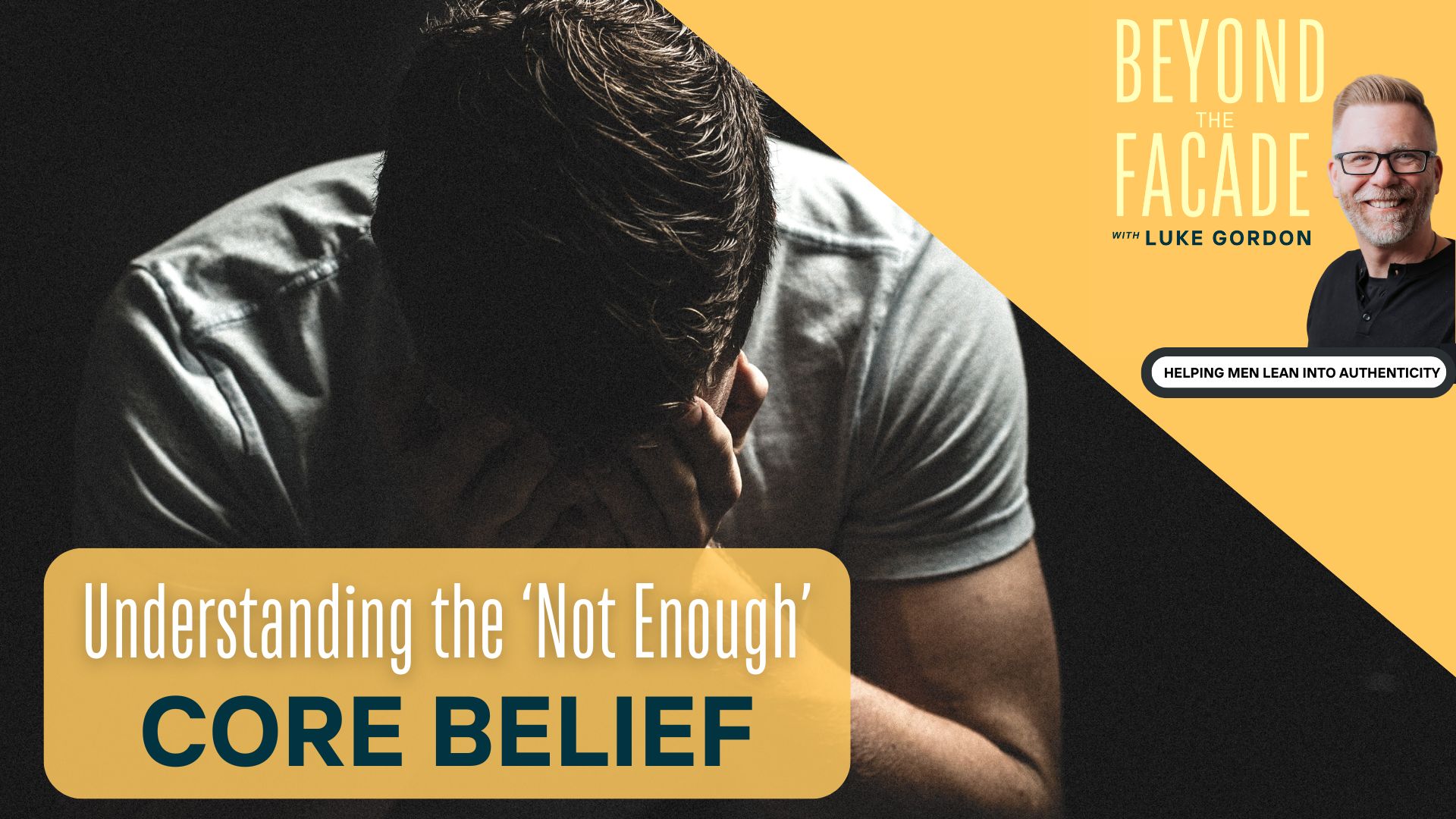
If you’re like many men in recovery, you’ve been taught to be tough. You’ve been conditioned to push through, man up, and never show weakness. But here’s a revolutionary question that might challenge everything you’ve been told: What if real strength isn’t about being harder on yourself, but about being kinder to yourself?
The journey of recovery and personal growth is filled with obstacles, setbacks, and moments of intense self-doubt.
For too long, we’ve been operating under the false belief that being harsh with ourselves is the key to change. But what if the opposite is true? What if learning to stand with yourself instead of against yourself is the most powerful tool in your recovery arsenal?
Watch Here:
The Six Stages of Brain Sexual Response
Stage 1: Stimulus and Perception
Understanding the Internal Landscape
Inside every person who has betrayed someone or is struggling with recovery, there are different parts at work. There’s a part that criticizes relentlessly, a part that fears failure, and a part that wants to numb out when that failure becomes overwhelming. These parts want to escape, to hide, to disappear from the pain of facing what they’ve done.
Many people in early recovery want to kill these parts of themselves – the parts that hurt people, the parts that are scared, angry, or filled with shame. But here’s the truth that might surprise you: healing doesn’t happen because we destroy parts of ourselves. It doesn’t come from eliminating the uncomfortable aspects of who we are. Real healing happens when we learn to lead those parts of us that fear failure, that criticize, and that want to numb out.
Right now, many men in recovery have what we might call a “manager” running the show. This internal manager has a voice that constantly says, “Get it together. Do better. Try harder. Get your act together.” While this manager thinks it’s helping, it’s actually creating more problems than it solves.
Instead of operating from this harsh internal manager, recovery requires developing what we call self-energy – that calm, confident, compassionate self-leadership that can guide us through the most difficult moments. This self-compassion isn’t weakness; it’s a profound strength and the starting line for real change and authentic recovery.
Myth #1: Self-Compassion Means Avoiding Responsibility
One of the most persistent myths about self-compassion is that it somehow lets you off the hook or weakens accountability. Nothing could be further from the truth. Self-compassion actually strengthens accountability in ways that shame and self-criticism never could.
Consider this example: You’ve made a commitment to someone important in your life, but you don’t follow through. You’ve hurt them by breaking your word. In this moment, you have two choices. You can collapse into shame, telling yourself you’re worthless and will never change, or you can approach the situation with self-compassion.
When you collapse into shame, you become paralyzed. Shame tells you that you are fundamentally flawed, and this belief makes it nearly impossible to take the actions necessary to make things right.
But when you approach your mistake with self-compassion, something different happens. You’re able to face the situation head-on, acknowledge the hurt you’ve caused, and take concrete steps to make amends.
Self-compassion doesn’t excuse your behavior or minimize the impact of your actions. Instead, it creates the emotional stability and clarity needed to take full responsibility and make meaningful changes. It’s the difference between being stuck in self-hatred and being empowered to act with integrity.
Myth #2: Self-Compassion Is Weak and Selfish
Society has taught us that taking care of ourselves is somehow selfish or weak. This couldn’t be more wrong. It takes tremendous strength to care for yourself properly, and you simply cannot lead yourself or others effectively when you’re running on empty.
In recovery circles, self-care is often referred to as “outer circle behavior” – the positive actions and practices that support your healing journey. The men who prioritize this self-care are often the ones who make the most progress in their recovery.
There’s a powerful piece of wisdom that therapists often share with people in early recovery: your therapy sessions, your group meetings, your recovery work – these have to come before birthdays, anniversaries, holidays, and other commitments. This might sound harsh, but the reasoning is sound.
At the end of the day, you won’t have meaningful time with your children, you won’t have anniversaries with your partner, you won’t have shared holiday experiences unless recovery comes first.
This prioritization comes from understanding that self-compassion and self-care aren’t luxuries – they’re necessities. If you’re trying to help and support other people while you’re empty inside, it simply won’t work. You cannot give what you don’t have. Self-compassion is about recognizing this truth and making the sometimes difficult choice to fill your own cup first.
Myth #3: Self-Compassion Lowers Standards and Kills Motivation
Another common misconception is that being kind to yourself will make you soft, lowering your standards and destroying your motivation to change. The reality is exactly the opposite. Self-compassion builds resilience, which actually fuels higher standards over time.
Think about your internal self-talk when you fail at something. Maybe you promised to show up differently for your partner, but the interaction didn’t go as planned. In this moment, shame tells you to quit and never try again. It whispers that you’re hopeless, that change is impossible, that you should just give up.
But compassion responds differently. Compassion helps you learn and grow from the experience. It allows you to see the failure as information rather than condemnation. It keeps you engaged in the process of change rather than fleeing from it.
Consider how you would respond to a child who fell while learning to walk. Would you shame them for failing? Would you tell them they’re worthless and should stop trying? Of course not. You would offer encouragement, help them up, and support their continued efforts. We intuitively know that compassion, not criticism, helps children learn and grow. Why would it be any different for adults?
Myth #4: You Have to Earn Self-Compassion
Many people believe that self-compassion is something you receive after success, like a reward for good behavior. This myth keeps people stuck in cycles of self-punishment, always trying to “earn” the right to be kind to themselves.
The truth is that you don’t earn self-compassion after success – you need it most when you’re struggling. Think about Thomas Edison and his thousand attempts to invent the light bulb. What kind of internal dialogue do you think he maintained during those failed experiments? Did he shame himself after every unsuccessful attempt? If he had, he likely would have given up long before achieving his breakthrough.
Picture yourself sitting in a recovery group after a relapse or slip. This feels like failure, like proof that you’re not capable of change. But you’re still there. You’re still choosing to fight for your recovery. This is exactly when self-compassion is most needed and most powerful.
The willingness to look at yourself with compassion during these difficult moments keeps you engaged in the process. It prevents you from spiraling into shame and giving up entirely. Self-compassion isn’t about letting yourself off the hook – it’s about staying in the game when everything inside you wants to quit.
Myth #5: Self-Compassion Is Just Fake Positivity
Some people dismiss self-compassion as nothing more than fake positivity – a superficial attempt to make everything seem fine when it’s not. This misunderstanding completely misses the point of what real self-compassion involves.
Authentic self-compassion actually faces reality honestly while choosing kindness in the middle of difficult experiences. It’s not about pretending everything is okay or putting on a happy face when you’re struggling. Instead, it’s about staying present with yourself through challenging emotions and experiences.
For example, if you admit fear or shame in a group setting, real self-compassion doesn’t involve pretending these feelings don’t exist or rushing to make them go away. It’s not about saying, “I’m fine” or “Everything’s okay” when that’s not true. You don’t have to have everything figured out or pretend you’ve got it all together.
True self-compassion is about staying present with yourself through difficult emotions. It means feeling the shame of not following through on a commitment and staying present with that experience rather than running from it, numbing it out, or pretending it’s not there. It requires admitting what you’re experiencing – “I’m feeling shame,” “I’m feeling fear,” “I’m feeling anger” – without pretending these emotions are something else.
This honest acknowledgment takes time and practice, but it breeds something entirely new. When you can stay present with difficult emotions without being overwhelmed by them, you create space for genuine growth and change.
Myth #6: Self-Compassion Only Works for Good People
One of the most damaging myths is the belief that self-compassion is reserved for people who haven’t made serious mistakes or hurt others. This myth tells people in recovery, “I shouldn’t be compassionate with myself. I’m not a good person. I don’t deserve that yet.”
The reality is that self-compassion is for every human being, especially for those who are hurting and struggling. It’s not a privilege you earn through good behavior – it’s a basic human right and a necessary tool for healing.
Consider someone who is fighting to rebuild a relationship with his children after years of damage caused by his actions. This is a common scenario in recovery. The path forward requires showing up with humility rather than demanding perfection, because perfection isn’t going to happen. The relationship will be rebuilt through consistent, imperfect efforts over time.
Humility exists alongside compassion, not in spite of it. When you can hold both the reality of the harm you’ve caused and compassion for your own humanity, you create the conditions for genuine repair and growth. This is very different from the “good old-fashioned beat down” that many people think they deserve. Self-punishment doesn’t lead to positive change – it leads to more shame, more hiding, and more damage.
Myth #7: Self-Compassion Means Avoiding Hard Emotions
The final myth suggests that self-compassion is about making yourself feel better by avoiding difficult emotions. In reality, true compassion means staying with pain rather than numbing or running from it.
Imagine you’ve just had a significant conflict with someone important to you. You’re sitting alone, feeling overwhelmed by difficult emotions. The self-compassionate response isn’t to distract yourself or pretend the emotions aren’t there. Instead, it’s about breathing through the experience and staying connected to yourself rather than exploding in anger or disappearing emotionally.
This might mean taking deep breaths while feeling the full weight of disappointment, fear, or sadness. It means neither attacking others nor abandoning yourself. It’s about maintaining that connection to your own experience even when that experience is painful.
The Power of Self-Leadership
As you reflect on these myths, consider which ones you’ve believed the longest. Where have you fought yourself instead of learning to lead yourself? What parts of yourself have you been trying to kill or get rid of?
Healing doesn’t start with being perfect. It begins when you step into some level of kindness and truth with yourself. It’s about calling things as they are while engaging yourself with compassionate self-talk through difficult experiences.
This shift from self-attack to self-leadership is transformational. When you can hold compassion for yourself, you naturally become more capable of extending empathy to others. You can engage with your partner, your children, and others in your life from a place of genuine care rather than defensive reactivity.
Self-compassion doesn’t distance you from the people you’ve hurt – it actually draws you closer to them by making you more emotionally available and less defensive. It makes sense that we’re more compassionate toward our partners when we can hold some compassion for ourselves.
A Word for Betrayed Partners
If you’re the partner of someone in recovery and this discussion of self-compassion feels triggering – like it’s letting someone off the hook for their harmful actions – that response is completely understandable. Your pain is valid, and you deserve healing and support.
The important thing to understand is that self-compassion doesn’t excuse harmful behavior or minimize its impact. Instead, it actually helps the person in recovery face what they’ve done more fully and honestly. It enables them to own their actions and work toward building real trust rather than trying to fake their way through recovery.
Real accountability and genuine change can’t happen without self-compassion. When someone is drowning in shame, they become paralyzed and unable to take the actions necessary for repair and growth. Self-compassion creates the emotional stability needed for true accountability.
How Choose Recovery Services Can Help You Develop Self-Compassion
Developing self-compassion is a skill that often requires guidance and support, especially for those who have spent years or decades practicing self-criticism and harsh internal management. The team of experienced coaches at Choose Recovery Services understands the unique challenges men face in learning to treat themselves with kindness while maintaining high standards for growth and accountability.
Our coaches have walked their own journeys of recovery and personal growth, and they understand firsthand how difficult it can be to shift from self-attack to self-compassion. They provide a safe, non-judgmental space where you can explore these concepts and begin practicing new ways of relating to yourself.
Through individual coaching sessions, group work, and specialized programs, Choose Recovery Services helps men develop the internal resources necessary for lasting change. Our approach recognizes that self-compassion isn’t a luxury or a sign of weakness – it’s an essential foundation for authentic recovery and healthy relationships.
Whether you’re just beginning your recovery journey or you’ve been working on personal growth for years, learning to lead yourself with compassion rather than criticism can transform every aspect of your life. Our team is here to support you in developing this crucial skill, helping you build the internal strength and emotional stability that makes real change possible.
If you’re ready to explore what self-compassion might look like in your own life and recovery journey, we invite you to connect with our team. Together, we can work toward building the kind of authentic, lasting change that serves not only your own healing but also the healing of those you care about most. struggling with compulsive behavior and their partner, offering guidance that honors the pain of betrayal while fostering hope for healing and restoration.
Whether you’re just beginning to understand your own patterns or you’ve been working on recovery for years, our team can provide the expertise, accountability, and encouragement you need to continue growing. We believe in the brain’s capacity for change and the human capacity for healing, and we’re committed to walking alongside you on your journey toward freedom and authentic connection.
Recovery is possible, and you don’t have to navigate this journey alone. Contact Choose Recovery Services today to learn how our team can support your path toward lasting change and deeper relationships.