Have you ever found yourself thinking, “I know exactly what I should do… so why do I keep doing the opposite?”
It’s one of the most frustrating experiences in personal growth and recovery.
You read the books. Listen to the podcasts. Attend therapy. Watch videos. Fill journals with insights. You understand your triggers, recognize unhealthy patterns, and can even explain the psychology behind your behaviors.
Yet when life becomes stressful, lonely, overwhelming, or emotionally painful, those old habits often return.
If this sounds familiar, you’re not alone.
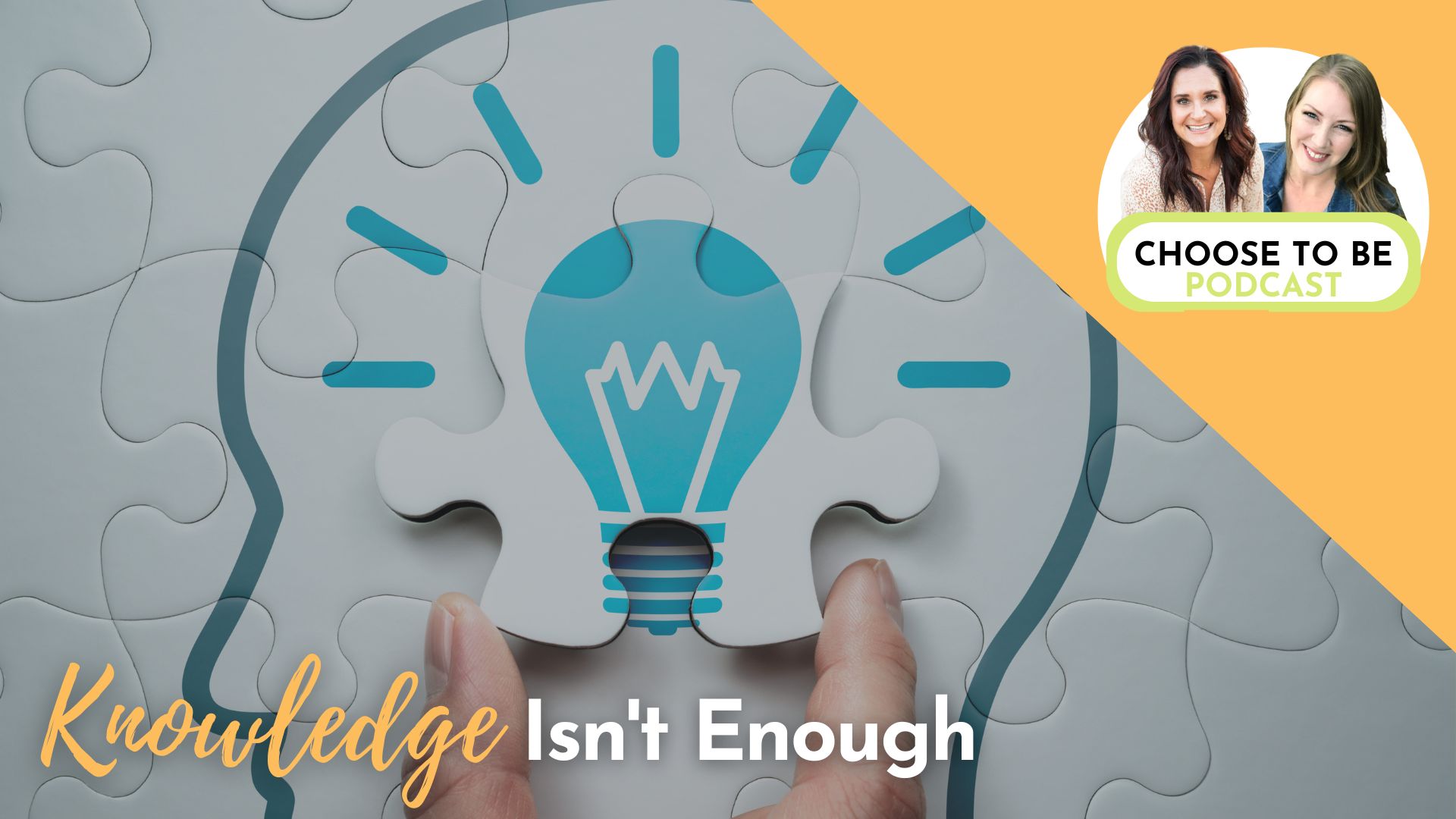
One of the greatest misconceptions about healing is believing that knowledge automatically creates transformation.
While learning is an essential part of recovery, information alone doesn’t change behavior. Real change happens when knowledge becomes something you consistently practice, even when it’s uncomfortable.
Whether you’re working through compulsive sexual behavior, betrayal trauma, anxiety, or simply trying to build healthier habits, understanding the difference between learning and living may be the breakthrough you’ve been looking for.
Watch the Episode Here
Why Insight Alone Doesn’t Create Change
Our brains love insight.
Those “aha” moments can feel exciting. Suddenly, a confusing behavior makes sense. You recognize why you react a certain way. You understand your attachment style or identify the emotional wounds that have influenced your choices.
Insight brings hope.
But insight isn’t transformation.
Think about it this way. You could read ten books about swimming. You could memorize every stroke, understand breathing techniques, and watch hundreds of instructional videos.
None of that would make you a swimmer. At some point, you have to get into the water.
Recovery works the same way.
Learning about emotional regulation is different from regulating your emotions during a difficult conversation.
Understanding honesty is different from choosing honesty when telling the truth feels risky.
Knowing healthy boundaries exist is different from setting one with someone you love. Information prepares you for change, but practice is what actually creates it.
The Uncomfortable Space Where Growth Happens
Almost every meaningful skill has an awkward beginning:
Learning to ride a bike.
Learning to drive.
Learning a new language.
Starting a new career.
Recovery is no different.
There’s an uncomfortable period between understanding something intellectually and becoming competent enough that it feels natural.
Many people abandon the process during this stage because it feels discouraging. The new behavior is awkward. The old behavior feels easier. Progress seems painfully slow.
Yet this uncomfortable middle ground is exactly where transformation begins.
Growth rarely feels graceful. Instead, it often feels uncertain, repetitive, and frustrating. The mistake many people make is assuming discomfort means something is wrong. In reality, discomfort often means something new is taking root.
Recovery Isn’t About Trying Harder
Many individuals approach healing with enormous determination. They make promises to themselves.
“This time will be different.”
“I’m never going back.”
“I’m finally going to change.”
While motivation is valuable, motivation alone rarely lasts. Life gets busy. Stress increases. Unexpected challenges appear.
When those moments arrive, people typically fall back on the systems they’ve practiced—not the goals they’ve imagined.
This explains why lasting recovery isn’t built on willpower. It’s built on systems. Healthy systems reduce the number of decisions you have to make when life becomes difficult.
Instead of relying on motivation every day, your environment and routines begin supporting your recovery automatically.
The Power of Integration
One of the most important concepts in healing is integration.
Integration happens when something you know becomes something you naturally live.
Consider these examples:
- Knowing about boundaries versus consistently setting them.
- Understanding emotional regulation versus practicing it during conflict.
- Learning about self-care versus making time for it each week.
- Believing honesty matters versus choosing honesty when it’s uncomfortable.
This is where lasting recovery is built.
Many people continue searching for new information when what they actually need is more practice with what they already know.
Instead of asking,
“What else do I need to learn?”
consider asking,
“What am I already learning that I’m not consistently practicing?”
That single question often shifts the focus from consuming information to creating transformation.
Why Emotional Awareness Matters
Many unhealthy behaviors begin long before the behavior itself.
They begin with emotions.
Stress.
Shame.
Fear.
Loneliness.
Overwhelm.
Disappointment.
Unfortunately, many people have spent years avoiding uncomfortable emotions rather than learning how to experience them safely.
Compulsive behaviors often become attempts to escape emotional discomfort rather than address it.
One of the simplest but most powerful recovery tools is learning to identify what you’re feeling throughout the day.
Naming emotions may seem small, but it changes everything.
Research consistently shows that identifying emotions helps reduce emotional intensity and improves self-regulation.
Instead of automatically reacting, you begin responding intentionally.
You create space between the emotion and the behavior.
That space is where healthier choices become possible.
Small Habits Create Big Change
Many people sabotage themselves by trying to change everything at once.
They decide tomorrow they’ll:
- Wake up at 5:00 a.m.
- Exercise every day.
- Journal every morning.
- Meditate twice daily.
- Eat perfectly.
- Read every evening.
- Never miss recovery meetings.
- Eliminate every unhealthy behavior immediately.
It sounds inspiring. It also usually lasts about three days. Real change tends to happen much differently.
Instead of massive overhauls, lasting transformation is built through small, repeatable actions. Behavioral science consistently supports this approach.
When new habits are attached to routines you already perform, they become much easier to maintain.
For example:
After brushing your teeth, spend two minutes identifying your emotions.
After pouring your morning coffee, read one paragraph from a recovery book.
Before getting into bed, write down one honest reflection about your day.
Before leaving work, send one accountability text.
These tiny actions may seem insignificant, but repeated daily, they gradually reshape your identity.
Consistency matters far more than intensity.
Recovery Is Embodied, Not Just Understood
Healing doesn’t only happen in your thoughts. It happens through experience. Your nervous system learns safety through repeated safe experiences. Your relationships rebuild trust through repeated trustworthy behaviors. Your confidence grows through repeated moments of choosing differently.
Recovery eventually becomes less about remembering techniques and more about becoming the kind of person who naturally practices them. That’s what embodiment looks like.
It’s no longer something you occasionally do. It’s becoming part of who you are.
Be Gentle While You Grow
Growth requires effort. But it also requires compassion. Many people believe harsh self-criticism will motivate lasting change. In reality, shame often fuels the very behaviors people are trying to overcome.
Self-condemnation creates discouragement. Discouragement creates emotional pain. Emotional pain often leads back toward unhealthy coping strategies. This creates an exhausting cycle.
Healthy accountability looks different. It says,
“I can acknowledge where I fell short while also believing I’m capable of growth.”
Compassion doesn’t remove responsibility. It creates the emotional safety needed to keep trying. Progress rarely follows a straight line. There will be setbacks. There will be difficult days. What matters most is continuing to return to your recovery practices instead of abandoning them altogether.
Lasting Change Happens One Practice at a Time
If you’ve been feeling discouraged because you know what to do but still struggle to do it, remember this:
You probably don’t need more information. You likely need more integration.
Transformation isn’t built through one life-changing decision. It’s built through thousands of ordinary moments.
One honest conversation.
One healthy boundary.
One emotional check-in.
One recovery meeting.
One difficult choice.
Repeated consistently over time.
Those moments become habits. Those habits become character. And character becomes the foundation for lasting healing. Recovery isn’t about becoming perfect. It’s about becoming increasingly aligned with the person you want to be, one intentional step at a time.
How Choose Recovery Services Can Help
Healing from compulsive sexual behavior, betrayal trauma, and relationship wounds is challenging, but you don’t have to navigate it alone.
At Choose Recovery Services, individuals and couples receive compassionate, evidence-informed support designed to move beyond simply understanding recovery and toward living it every day.
Whether you’re just beginning your healing journey or you’ve felt stuck despite years of learning, Choose Recovery Services offers practical tools, experienced coaching, therapy, support groups, and intensive programs that help bridge the gap between knowledge and lasting transformation. The focus isn’t simply on gaining more information—it’s on building sustainable recovery habits, developing emotional awareness, strengthening relationships, and creating meaningful change that lasts.
If you’re ready to move from insight to action, professional support can make all the difference. Recovery is possible, and lasting transformation begins with practicing small, consistent steps toward healing every day.