There is a common belief in that healing should move in a straight line. If you work hard enough, learn enough tools, and stay disciplined, eventually you should arrive at a place where the pain stops, the patterns disappear, and life finally feels settled.
But real healing rarely works that way.
For many people navigating sexual addiction recovery, betrayal trauma healing, or long-term relational wounds, there comes a moment when progress feels stalled. Insight is there. Awareness is there. External behavior may even look stable. And yet something underneath still feels unresolved.
This is often the moment when deeper healing begins.
Watch Here:
When Recovery Reaches a Plateau
Many individuals in recovery reach a point where they intellectually understand their patterns. They can name triggers, explain attachment styles, and describe their trauma history. They know what they should do differently.
And yet their bodies still react.
They still feel flooded, defensive, numb, or driven by old survival responses. Relationships may feel tense even when communication skills are strong. Shame or hypervigilance may surface without warning. The nervous system remains on high alert.
This experience is not a failure of recovery. It is often a sign that healing has moved beyond cognition and into the body.
Trauma is not stored only in memory. It is stored in the nervous system. Until that layer is addressed, recovery can feel incomplete.
The Limits of Willpower and Insight
Willpower is an important early tool in recovery, especially when it comes to stopping destructive behaviors. Cognitive tools like accountability, boundaries, and relapse prevention are essential.
But willpower alone cannot heal trauma.
Trying harder does not resolve survival responses formed in childhood or during relational injury. Intellectual insight does not automatically calm a nervous system shaped by fear, abandonment, or chronic shame.
This is why many people feel frustrated when they are “doing everything right” and still feel stuck. They may believe something is wrong with them, when in reality they have simply reached the edge of what cognitive recovery can offer.
At this stage, deeper modalities such as somatic healing and parts work become essential.
Trauma Lives in the Body
Somatic healing recognizes that trauma is held in the body, not just the mind. The body learns how to survive long before the brain can explain what is happening.
For someone in sexual addiction recovery, this might look like:
- A compulsive urge arising before conscious thought
- A freeze response during conflict
- Chronic restlessness or emotional numbing
- A need to manage image, control outcomes, or avoid vulnerability
These are not character flaws. They are adaptive responses that once helped someone survive.
Healing does not mean eliminating these parts. It means understanding them, listening to them, and helping the nervous system learn that it is safe to respond differently now.
Parts Work: From Self-Hatred to Integration
Many people enter recovery wanting to “get rid of” parts of themselves they see as broken or bad. This often includes parts associated with addiction, avoidance, anger, or emotional shutdown.
Parts work offers a different perspective.
Rather than seeing these parts as enemies, parts work recognizes them as protective strategies that developed for a reason. Even the most destructive behaviors often began as attempts to cope with pain, fear, or unmet needs.
When people stop trying to kill off these parts and instead learn to work with them, healing deepens. Shame decreases. Self-compassion grows. Integration becomes possible.
This shift alone can unlock progress that years of self-discipline could not achieve.
Why Healing Sometimes Requires a Pause
There are seasons when healing cannot be done on the side.
Deep trauma work requires time, space, and nervous system capacity. It asks people to slow down rather than perform. To feel rather than fix. To be present rather than productive.
This can feel terrifying, especially for individuals who equate worth with output or responsibility. Many resist deeper healing because they fear:
- Losing momentum
- Disappointing others
- Financial instability
- Facing pain that might not resolve
- The question: “What if it doesn’t work?”
This fear is understandable. But staying stuck carries its own cost.
Avoiding deeper healing does not freeze progress. It often leads to slow regression, relational strain, and internal exhaustion.
Sometimes stepping back is not abandonment of responsibility. It is the most responsible choice available.
“What If It Doesn’t Work?”
This question sits quietly beneath many recovery decisions.
What if I invest time, money, and emotional energy and still feel the same? What if the pain doesn’t go away? What if I uncover things I can’t fix?
These fears are valid. There are no guarantees in healing.
But there is an important reframe: healing is cumulative.
Rarely does one experience resolve everything. More often, each layer of healing provides a single puzzle piece. Over time, those pieces form a clearer picture.
The alternative is remaining where you are. And for many, that is no longer sustainable.
The question becomes not “What if it doesn’t work?” but “What happens if I don’t try?”
Differentiation: Healing Without Enmeshment
In relational recovery, one of the most overlooked principles is differentiation.
Differentiation means each person is responsible for their own healing. It does not mean disconnection or lack of care. It means autonomy, boundaries, and emotional responsibility.
When partners become enmeshed, healing often stalls. One person may unconsciously rely on the other to regulate emotions, validate worth, or carry the weight of accountability.
True recovery requires each person to face their own internal work without outsourcing it to the relationship.
This can feel threatening, especially after betrayal trauma. Space may feel like abandonment. Autonomy may feel like danger.
But differentiation often strengthens relationships in the long run. It allows connection to be chosen rather than required for survival.
Letting Someone Fall Can Be an Act of Love
One of the hardest lessons in relational healing is learning when not to rescue.
When someone is shielded from the consequences of their avoidance, they may never reach the clarity required for deeper change. Support can unintentionally become protection from growth.
Letting someone experience discomfort does not mean withdrawing love. It means trusting their capacity to grow.
For partners, this can be incredibly difficult. The desire to help is natural. The fear of what might happen if you don’t intervene is real.
But healing often requires allowing people to own their process fully.
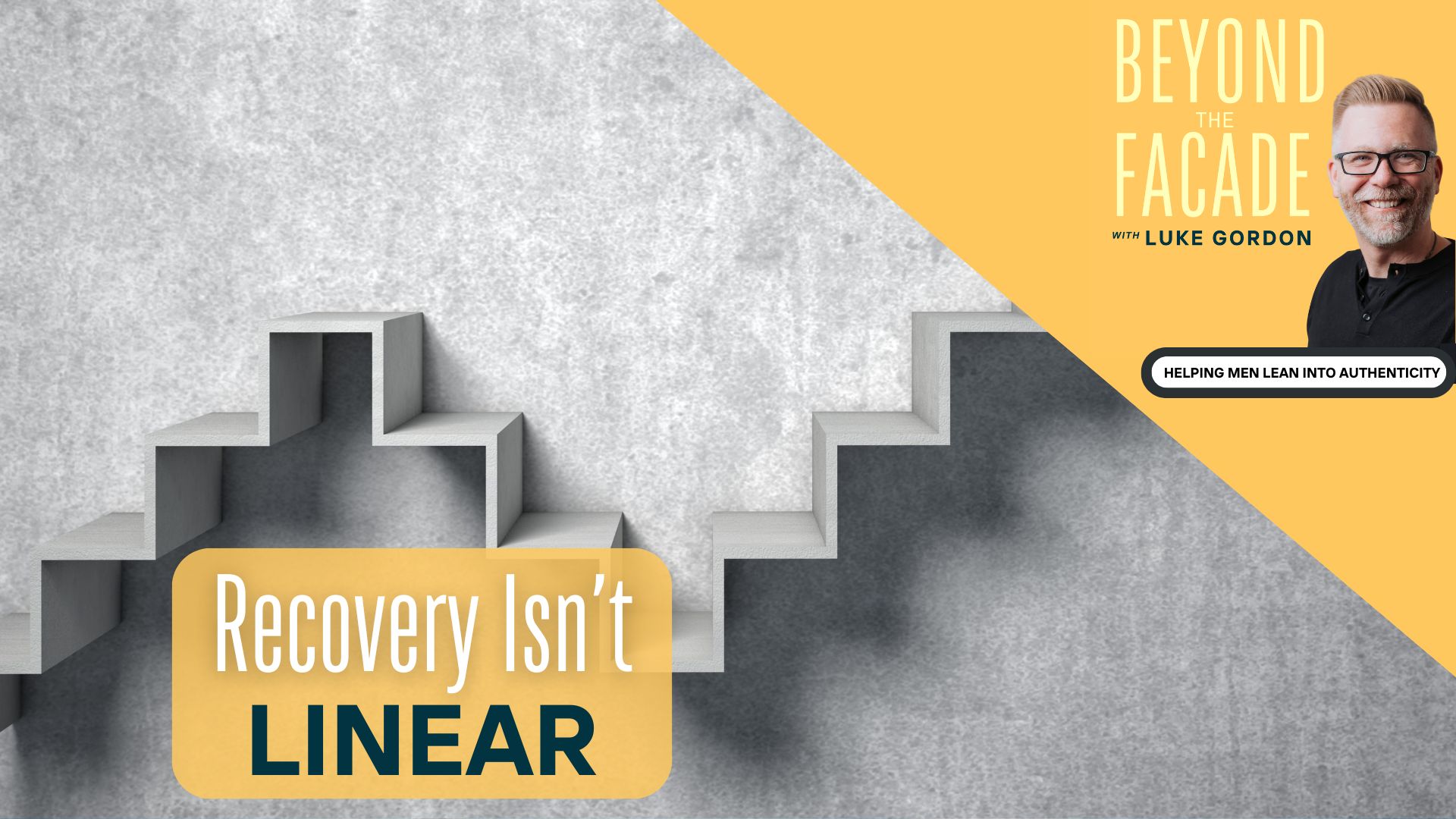
Recovery Is Not Linear
One of the most damaging myths in recovery is the idea that healing should move steadily upward.
In reality, healing moves in waves. There are seasons of growth, plateaus, regressions, breakthroughs, and pauses. Each phase offers something different.
Progress is not measured by the absence of struggle, but by the willingness to stay engaged with the process.
Healing is not about perfection. It is about honesty, curiosity, and courage.
Choosing Depth Over Appearance
Many people in recovery struggle with image management. They want to appear healed, stable, and reliable. They fear that admitting deeper work is needed will undermine trust or credibility.
But authenticity builds trust far more than performance.
When individuals choose depth over appearance, they model what real recovery looks like. They normalize the reality that healing is ongoing and that strength includes vulnerability.
This honesty creates hope for others who feel pressure to pretend they are further along than they truly are.
How Choose Recovery Services Can Help
Choose Recovery Services offers trauma-informed support for individuals and couples navigating sexual addiction recovery, betrayal trauma healing, and relational repair.
Our approach recognizes that recovery is not one-size-fits-all. We integrate:
- Trauma-informed therapy
- Somatic healing principles
- Parts work
- Group support for men and partners
- Relationship-centered recovery models
We believe healing happens when insight, emotional safety, and embodied awareness come together.
If you feel stuck, overwhelmed, or uncertain about the next step in your recovery journey, you do not have to figure it out alone. Support exists. Healing is possible. And sometimes, the bravest step forward is allowing yourself to slow down and go deeper.