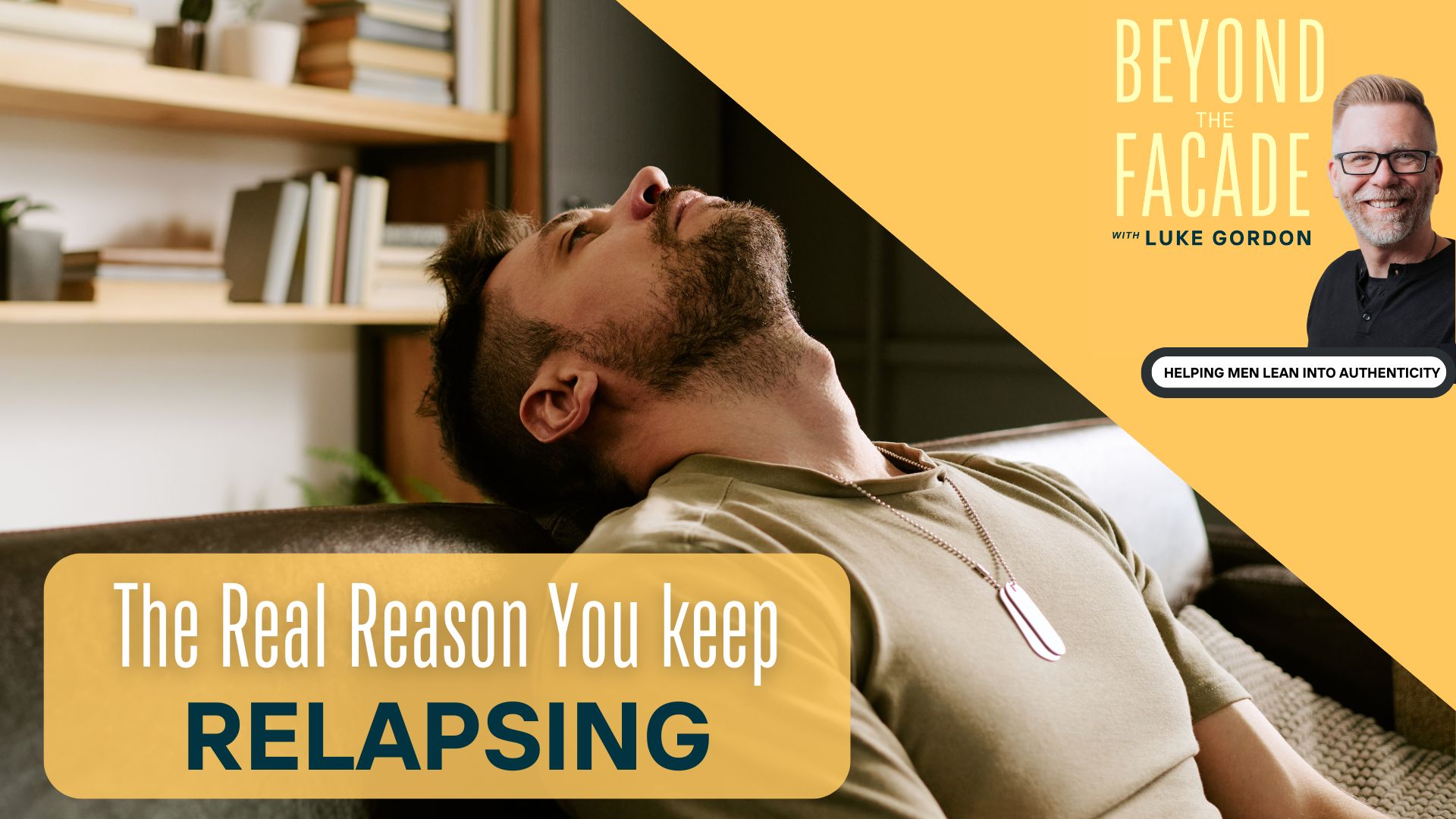
Sobriety is an important milestone in addiction recovery, but stopping a compulsive behavior does not necessarily mean the underlying struggles have been resolved.
Someone may stop acting out, establish new boundaries, and commit to healthier choices while still experiencing shame, anxiety, emotional overwhelm, relationship difficulties, or a persistent sense of being stuck.
This can be confusing, especially for individuals who have worked hard to change their behavior and expected life to feel different once they stopped.
The truth is that lasting addiction recovery often requires more than behavior change. It involves understanding the emotional patterns, protective responses, and nervous system reactions that may have contributed to compulsive behavior in the first place.
When individuals begin addressing these deeper patterns, they can develop healthier ways to manage distress, respond to difficult emotions, and build relationships rooted in honesty and connection.
Watch Here:
Why Sobriety Is Only One Part of Addiction Recovery
Stopping a compulsive behavior is a meaningful accomplishment. It creates space for new decisions, greater accountability, and the possibility of rebuilding trust.
However, if the emotional experiences that contributed to the behavior remain unaddressed, a person may continue struggling even after achieving sobriety.
Compulsive sexual behavior, for example, can become connected to attempts to manage uncomfortable internal experiences.
Stress, loneliness, rejection, shame, boredom, anxiety, and emotional disconnection may become difficult to tolerate. Over time, a person may learn to use a particular behavior as a way to escape, numb, distract, or temporarily change how they feel.
When that behavior stops, the emotions do not automatically disappear. In fact, some individuals initially experience those feelings more intensely because they are no longer relying on familiar coping strategies. Without healthier tools, everyday frustrations or relationship challenges can feel overwhelming.
This is why sex addiction recovery and recovery from compulsive sexual behavior should address more than preventing a return to unwanted behaviors.
Sustainable change also involves learning what happens internally before, during, and after moments of distress. The goal is not simply to avoid acting out; it is to develop the emotional capacity and practical skills needed to respond differently.
Understanding the Connection Between Addiction and the Nervous System
The nervous system plays an important role in how people experience stress, safety, connection, and emotional discomfort.
It helps the body respond to perceived threats and navigate everyday challenges. When someone has spent years relying on avoidance or compulsive behaviors to manage difficult feelings, their responses to stress may become deeply familiar and automatic.
A person might interpret criticism as rejection, experience a minor disagreement as overwhelming, or feel an intense need to escape an uncomfortable conversation. These reactions can happen quickly, sometimes before the individual has had an opportunity to consider what is actually happening.
One helpful way to understand this experience is to imagine a home security system with an overly sensitive sensor. The alarm is designed to alert the homeowner to danger, but the sensor has become so reactive that it sounds whenever a tree branch moves outside.
The alarm is real, but the level of response does not match the situation.
Similarly, the nervous system can react as though danger is present even when a person is facing an uncomfortable but manageable experience. A difficult conversation, a partner’s disappointment, or a feeling of embarrassment may trigger a powerful protective response.
Nervous system regulation involves developing the ability to recognize these reactions and gradually increase the capacity to remain present during emotional discomfort.
It does not mean never feeling anxious, frustrated, or upset. Instead, it means becoming better able to experience those emotions without automatically escaping, shutting down, becoming defensive, or returning to compulsive coping behaviors.
What Is the Window of Tolerance?
The window of tolerance is a way of describing the range of emotional and physiological activation in which a person can remain present, think clearly, and respond to what is happening. Within this range, someone may experience stress or strong emotions while still having enough capacity to make thoughtful decisions.
When a person moves outside this window, it can become more difficult to regulate emotions and respond intentionally.
Some people experience heightened activation, which may look like anxiety, irritability, agitation, racing thoughts, or an urgent desire to do something to make the discomfort stop. Others experience a more shut-down response, such as numbness, disconnection, withdrawal, or difficulty expressing what they feel.
These reactions can affect recovery in significant ways. Someone who becomes overwhelmed by shame may avoid accountability. Someone who experiences feedback as rejection may become defensive. Someone who feels emotionally disconnected may seek familiar forms of stimulation or escape.
Learning to recognize these patterns is an important part of emotional regulation in addiction recovery. Rather than judging every difficult reaction as a failure, individuals can begin noticing what their bodies and emotions are communicating.
With practice and appropriate support, they can develop a wider capacity to remain present during experiences that once felt unbearable.
Learning to Stop Running From Difficult Emotions
Emotional avoidance can become one of the most persistent obstacles to lasting recovery.
Many people develop ways to move away from uncomfortable feelings without consciously realizing how often they do it. They may stay busy, distract themselves with screens, overwork, seek reassurance, withdraw from relationships, or turn to compulsive behaviors.
These strategies can provide temporary relief, but they do not necessarily resolve the emotional experience underneath. In some cases, avoiding a feeling can make it seem more threatening because the person never has an opportunity to discover that the feeling can be experienced and tolerated.
An important part of recovery is learning that emotions are experiences, not emergencies.
Anxiety, sadness, embarrassment, anger, and loneliness can be uncomfortable without requiring an immediate escape. Feelings naturally change over time, and the intensity of an emotional experience often shifts when a person allows space to notice it rather than automatically reacting.
This does not mean forcing yourself to endure overwhelming distress or ignoring your limits. Emotional growth should happen at a manageable pace, with appropriate support when needed. The objective is to build the ability to stay connected to yourself while experiencing discomfort.
Several practical habits can help develop this capacity:
- Mindful breathing: Slowing down and paying attention to the breath can create a moment of space before reacting.
- Journaling: Writing about emotions, triggers, and recurring patterns can help make internal experiences easier to recognize.
- Mindfulness: Practicing nonjudgmental awareness can help individuals notice thoughts and feelings without immediately acting on them.
- Physical activity: Exercise and movement can support stress management and help people reconnect with their bodies.
- Consistent sleep: Establishing healthy sleep habits can support emotional resilience and everyday functioning.
- Time in nature: Spending time outdoors can provide an opportunity to slow down, pay attention, and step away from constant stimulation.
These practices are not quick fixes, and they will not work identically for everyone. Their value comes from consistent practice and the gradual development of healthier responses to everyday stress.
Why Experiential and Somatic Practices Can Support Recovery
Traditional talk-based approaches can help individuals understand their histories, identify thought patterns, and develop insight into their behavior. However, some people find that understanding a pattern intellectually does not automatically change how they respond when difficult emotions arise.
This is one reason experiential and somatic approaches may be useful additions to a recovery plan. Somatic practices bring attention to the body’s sensations and responses, helping individuals become more aware of how stress and emotion show up physically.
For example, someone might notice that their shoulders tighten during conflict, their breathing becomes shallow when they feel criticized, or their body feels restless when they are expected to sit with an uncomfortable emotion. Recognizing these physical cues can help a person identify distress earlier and make a more intentional choice about how to respond.
Some experiential approaches use guided movement, breathing exercises, mindfulness, or carefully structured physical activities to help participants practice staying present.
Other exercises may involve noticing manageable discomfort while remaining within a supported environment. The purpose is not to push someone beyond their limits, but to help them develop awareness, choice, and confidence in their ability to tolerate difficult experiences.
Practices such as meditation, breathwork, aikido, and other forms of intentional movement may also help individuals explore the relationship between their bodies, emotions, and behavior. The most appropriate practices depend on the individual, their needs, and their treatment plan.
The larger principle is that recovery is not only something a person thinks about. It is something they practice through repeated experiences of responding differently.
Understanding the Protective Patterns Beneath Compulsive Behavior
Compulsive behaviors often develop within a larger context of emotional and relational experiences. A person may have learned early in life to avoid conflict, seek approval, hide vulnerability, or suppress difficult feelings. These patterns may once have served a protective purpose, but they can become limiting when carried into adult relationships and everyday responsibilities.
For example, people-pleasing may help someone avoid disagreement in the short term, but it can also make honest communication difficult.
A person who is afraid of disappointing others may agree to things they do not want, struggle to express boundaries, or become resentful when their needs go unspoken.
Similarly, defensiveness may function as a way to protect against shame. When someone receives feedback, they may immediately explain, minimize, argue, or shift attention toward the other person’s behavior. Although these responses can feel protective, they may prevent meaningful accountability and connection.
Recovery involves recognizing these patterns without treating oneself as broken or beyond help. Understanding why a response developed can create room for a different choice. Instead of automatically people-pleasing, an individual can practice expressing an honest preference. Instead of reacting defensively, they can pause, listen, and consider what the other person is communicating.
This work may also involve exploring different parts of oneself, including the protective responses that emerge during stress. The goal is not to reject those parts, but to understand what they are trying to prevent and develop healthier ways to meet the underlying needs.
Building the Capacity for Accountability and Connection
Addiction recovery does not happen in isolation. Compulsive sexual behavior can deeply affect partners and families, particularly when secrecy, dishonesty, or broken agreements have been part of the relationship. For a betrayed partner, the impact may include emotional distress, loss of trust, uncertainty, and difficulty feeling secure.
An important part of relational recovery is learning to take responsibility without making the injured partner responsible for managing the individual’s shame.
Accountability means being willing to hear the impact of past behavior, respect boundaries, and remain engaged in difficult conversations without demanding immediate reassurance or forgiveness.
This can be challenging for someone who has historically experienced feedback as rejection or conflict as a threat. If emotional discomfort has usually led to withdrawal, defensiveness, or avoidance, staying present during a partner’s pain may require new skills and significant practice.
Developing emotional regulation can help create more room for these responses.
A person may become better able to pause before reacting, listen without immediately defending themselves, and acknowledge the other person’s experience even when the conversation is painful.
It is important to recognize that personal recovery does not guarantee relationship repair.
A partner may need time, space, individual support, or clear boundaries, and reconciliation is never something one person can control. Meaningful change begins with taking responsibility for one’s own behavior and respecting the choices and healing process of others.
Practicing Discomfort and Self-Advocacy in Everyday Life
The skills developed through recovery become meaningful when they extend into ordinary situations. Someone who is learning to tolerate discomfort might practice speaking up during a work conversation, setting a boundary with a friend, admitting a mistake, or expressing a preference instead of automatically agreeing with everyone else.
These moments may seem small, but they offer opportunities to practice living in alignment with personal values. Rather than making decisions based primarily on avoiding disapproval, individuals can begin considering what honesty, respect, responsibility, and self-respect look like in the situation.
Self-advocacy is not the same as being aggressive or disregarding other people’s needs.
It means recognizing that your needs and perspectives matter while remaining respectful of others. It may involve correcting a misunderstanding, saying no when necessary, asking for clarification, or communicating discomfort without blaming someone else.
Over time, these experiences can help challenge the belief that difficult emotions must be avoided at all costs. A person can discover that disagreement does not always lead to rejection, that embarrassment can pass, and that expressing a need does not automatically threaten a relationship.
This is part of what it means to move from simply avoiding unwanted behavior toward building a life that reflects personal values.
Taking a Deeper Approach to Addiction Recovery
If you have stopped a compulsive behavior but still feel anxious, ashamed, disconnected, or stuck, it does not mean your recovery has failed. It may mean there is more to understand and address.
The patterns beneath compulsive behavior can take time to recognize, and developing new ways of responding requires patience, consistency, and support.
A comprehensive recovery approach may include individual therapy, accountability, psychoeducation, emotional regulation skills, experiential practices, and attention to relationship dynamics.
The right combination depends on each person’s history, circumstances, goals, and level of need.
It can also be helpful to approach recovery with curiosity rather than self-punishment. Instead of asking only, “How do I make sure I never do this again?” consider asking, “What am I experiencing when I feel the urge to escape? What am I afraid of? What do I need to learn to face? How can I respond in a way that reflects the person I want to become?”
These questions shift the focus from managing behavior alone to understanding the whole person. They create opportunities to address emotional avoidance, develop nervous system regulation, and build healthier patterns that support long-term change.
How Choose Recovery Services Can Help Individuals
At Choose Recovery Services, we understand that healing from compulsive sexual behavior involves more than stopping unwanted behaviors.
Individuals may need support understanding the emotional patterns, relational wounds, shame, and coping strategies that have shaped their experiences. Recovery can involve learning to regulate emotions, take responsibility, establish healthy boundaries, and develop a more connected relationship with oneself and others.
Choose Recovery Services offers support for individuals seeking a deeper approach to recovery.
Through individualized care and appropriate therapeutic support, individuals can explore the factors contributing to compulsive behaviors and identify practical ways to create meaningful change. Treatment should reflect each person’s needs rather than assume that one approach works for everyone.
Whether you are beginning recovery, struggling to maintain progress, or recognizing that sobriety has not resolved the deeper challenges in your life, you do not have to navigate the process alone. Lasting change is possible when you are willing to look beneath the behavior, understand the patterns that keep you stuck, and practice new ways of responding.
Recovery is not just about what you stop doing. It is also about what you learn to feel, face, and build. If you are ready to explore the next step in your healing, connect with Choose Recovery Services to learn more about available support.