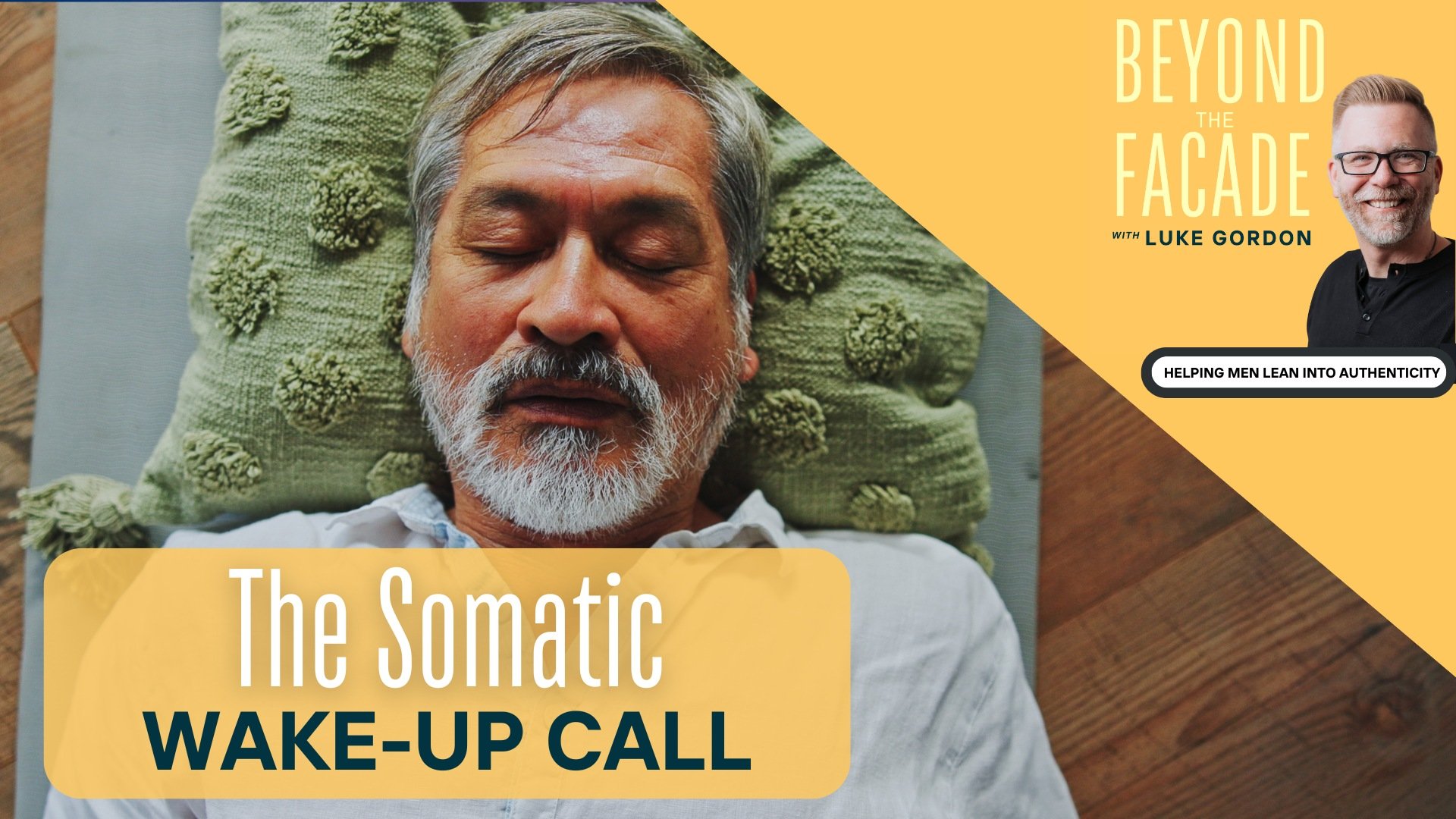
Recovery is often viewed as a checklist—attend groups, read books, follow the plan, and healing will naturally follow.
Yet countless individuals find themselves months or even years into their recovery journey, having diligently completed every recommended step, only to discover something crucial is still missing. They feel stuck, disconnected, and unable to access the deeper transformation they desperately seek.
If this resonates with you, you’re not alone.
The missing piece isn’t more cognitive work, additional therapy sessions, or stricter adherence to recovery protocols. Instead, it’s something far more fundamental: the integration of somatic healing into your recovery process.
Watch Here:
When Cognitive Work Isn’t Enough
Traditional recovery approaches heavily emphasize cognitive and analytical healing—what experts call “left brain healing.” This involves understanding your patterns, learning new behaviors, and developing strategies to manage triggers and cravings. While this work is undeniably valuable and forms an essential foundation for recovery, it represents only one dimension of the healing process.
The problem arises when we become so focused on cognitive understanding that we neglect the “right brain healing”—the emotional, somatic, and body-based aspects of recovery. This creates a fundamental disconnect between what we know intellectually and what we feel and experience in our bodies.
Consider this scenario: You’ve learned all the right answers about healthy relationships, boundaries, and emotional regulation. You can articulate these concepts clearly and even teach them to others. Yet when you’re triggered, when conflict arises, or when old patterns resurface, you find yourself reverting to familiar behaviors despite your extensive knowledge. This disconnect occurs because trauma and emotional wounds aren’t stored solely in our minds—they’re embedded deeply within our bodies at a cellular level.
The Science Behind Somatic Healing
To understand why somatic work is essential, we need to recognize that the human body operates with three distinct “brains”: the head brain, the heart brain, and the gut brain. Most recovery work focuses exclusively on the head brain—gathering information, analyzing patterns, and developing cognitive strategies.
However, the heart brain governs our emotions and provides crucial information about our internal state and relationships with others. The gut brain houses our intuition and values, serving as our internal compass for decision-making. When we operate solely from our head brain, we’re essentially trying to navigate life with only one-third of our available intelligence and wisdom.
The head brain’s role is to gather and sort information, which is valuable but should represent only a small percentage of our decision-making process. True healing and authentic living require integration of all three brains—incorporating emotional intelligence, intuitive wisdom, and analytical thinking into a cohesive whole.
Recognizing the Signs: When Your Body Holds the Key
Many people struggling with incomplete recovery share common experiences that indicate the need for somatic healing. These signs often manifest as:
Overwhelming Intensity During Conflict When faced with relationship challenges or confrontation, the feelings become so overwhelming and intense that you shut down completely. Your body screams danger signals, making it impossible to stay present and engaged, even when you desperately want to show up for your partner or loved ones.
Inability to Value Self and Others Simultaneously You may notice that when you attempt to establish boundaries or respect yourself, you lose the ability to maintain empathy and compassion for others. This either-or dynamic stems from unhealed trauma stored in the body that hasn’t learned how to hold space for multiple perspectives simultaneously.
Persistent People-Pleasing Despite Cognitive Awareness No matter how much you understand the unhealthy nature of people-pleasing, you find yourself unable to stop the behavior. Your body continues to drive these patterns because the underlying fear and trauma haven’t been addressed at a somatic level.
Emotional Numbness or Disconnection Perhaps most significantly, you may experience a pervasive sense of numbness or disconnection from yourself and others. Partners often describe this as “you’re here, but it doesn’t feel like you’re here” or “I can’t reach you.” This disconnection has become so normalized that you may not even recognize how cut off you’ve become from your own internal experience.
The Body Remembers: Understanding Trauma Storage
Trauma isn’t just a mental experience—it’s a full-body phenomenon. When we encounter threatening or overwhelming situations, our nervous system responds by storing these experiences in our tissues, muscles, and cellular memory. This biological response served our ancestors well in life-threatening situations, but in modern contexts, it can keep us trapped in cycles of reactivity and disconnection.
The challenge with traditional talk therapy is that it primarily engages the prefrontal cortex—the thinking brain—while trauma is stored in deeper, more primitive parts of the brain including the amygdala and brainstem. These areas don’t respond to rational thought or cognitive insight alone. They require specialized approaches that can access and release stored trauma at the somatic level.
This explains why you might intellectually understand your triggers and patterns yet still find yourself overwhelmed when faced with challenging situations. Your thinking brain knows the “right” response, but your traumatized nervous system hijacks your ability to access that knowledge when you need it most.
The Path Forward: Exploring Somatic Modalities
Somatic healing encompasses a wide range of approaches designed to address trauma and emotional wounds stored in the body. While individual needs vary, several modalities have proven particularly effective for those seeking to complete their recovery journey:
Parts Work (Internal Family Systems) This approach recognizes that we all have different internal parts—some wounded, some protective, some wise. By developing relationships with these parts and healing wounded aspects of ourselves, we can achieve greater internal harmony and integration. Parts work helps explain why you might simultaneously want to be honest and transparent while also feeling terrified of the consequences.
Energy Work Various forms of energy healing can help release trauma stored in the body’s energy systems. These approaches work with the subtle energies that flow through our bodies, helping to clear blockages and restore natural balance. While this may sound unconventional to those from traditional backgrounds, energy work has helped countless individuals access healing that cognitive approaches alone couldn’t reach.
Mindfulness and Meditation Regular mindfulness practice helps develop awareness of internal sensations, emotions, and patterns. This increased bodily awareness is crucial for recognizing early warning signs of emotional dysregulation and for making conscious choices rather than reacting from old patterns. Meditation creates space between stimulus and response, allowing for more intentional decision-making.
Specialized Therapeutic Approaches Various therapeutic modalities specifically address trauma stored in the body. These might include EMDR (Eye Movement Desensitization and Reprocessing), somatic experiencing, breathwork, or even carefully supervised psychedelic-assisted therapy. Each approach offers unique pathways to accessing and healing traumatic material that traditional talk therapy may not reach.
The Integration Challenge: No Magic Pills
It’s crucial to understand that somatic healing isn’t a magic bullet or quick fix. Just as trauma accumulates in layers over time, healing occurs gradually through consistent, intentional work. No single modality—whether ketamine therapy, energy work, or intensive retreats—will instantly resolve years of accumulated trauma and disconnection.
Instead, somatic work functions as an integration process that builds upon existing cognitive and emotional work. The analytical understanding you’ve gained through traditional therapy provides essential context and framework, while somatic approaches help embody and integrate these insights at a cellular level.
Think of it as building a house: cognitive work provides the blueprint and foundation, while somatic work creates the walls, plumbing, and electrical systems that make the structure livable. Both elements are essential for creating a complete, functional dwelling.
The Ripple Effect: How Somatic Healing Transforms Relationships
One of the most profound benefits of somatic healing is its impact on relationships. When you develop the ability to stay present in your body during challenging moments, you can maintain connection with both yourself and others simultaneously. This represents a fundamental shift from the either-or dynamic that characterizes many struggling relationships.
For partners of those in recovery, this transformation is often exactly what they’ve been hoping and praying for. They want nothing more than complete healing—both for their loved one and for their relationship. When cognitive work alone leaves someone still feeling disconnected or reactive, partners often intuitively recognize that deeper healing is needed.
This deeper work helps explain why partners sometimes describe feeling like they “can’t reach” their loved one, even when that person is physically present and cognitively engaged. The missing piece is often somatic presence—the ability to be fully embodied and emotionally available in the moment.
Breaking Through Recovery Plateaus
Many people reach plateaus in their recovery where continued cognitive work yields diminishing returns. They may find themselves cycling through the same patterns, struggling with persistent triggers, or feeling like they’re going through the motions without experiencing genuine transformation.
These plateaus often indicate that it’s time to incorporate somatic approaches. The body holds wisdom and information that the mind alone cannot access. By learning to listen to physical sensations, emotional currents, and energetic shifts, individuals can break through longstanding patterns and access new levels of healing and authenticity.
Somatic awareness also dramatically improves relapse prevention. Rather than suddenly finding themselves acting outside their values “without knowing how it happened,” individuals develop sensitivity to the thousands of choice points that precede problematic behaviors. This early warning system allows for course correction long before reaching crisis points.
Overcoming Resistance: Addressing Common Concerns
Many people, particularly those from traditional or blue-collar backgrounds, may feel skeptical about somatic approaches. This work can seem “woo-woo” or unfamiliar compared to more conventional therapy models. However, extensive scientific research supports the effectiveness of body-based healing approaches.
The key is finding modalities that resonate with your personal style and comfort level. Someone drawn to structured approaches might prefer mindfulness meditation or parts work, while others might connect more readily with movement-based therapies or breathwork. The specific modality matters less than the willingness to explore how trauma and emotions manifest in your physical experience.
It’s also important to recognize that resistance itself often indicates areas where healing is most needed. The parts of ourselves that dismiss or minimize somatic work may be protective mechanisms trying to maintain familiar patterns, even when those patterns no longer serve us.
Creating a Holistic Recovery Plan
Effective somatic healing requires integration with existing recovery work rather than replacement of it. The cognitive tools, behavioral strategies, and support systems you’ve developed remain valuable components of your healing journey. Somatic work enhances and deepens these existing resources rather than negating them.
A comprehensive approach might include:
- Maintaining established therapy relationships while incorporating body-based modalities
- Developing daily mindfulness or meditation practices
- Exploring various somatic approaches to find what resonates most deeply
- Working with practitioners who understand both traditional recovery and somatic healing
- Being patient with the layered nature of healing while maintaining commitment to the process
The Courage to Go Deeper
Embarking on somatic healing requires courage—the willingness to feel what has been numbed, to explore what has been avoided, and to trust in your body’s innate wisdom. This work often brings up material that cognitive approaches may have kept at bay, requiring additional support and professional guidance.
However, the rewards of this deeper exploration are immeasurable. Individuals who integrate somatic healing into their recovery often report feeling more alive, connected, and authentic than ever before. They develop the capacity to remain present during challenging moments, to feel their emotions without being overwhelmed by them, and to make decisions from a place of integrated wisdom rather than reactive patterns.
Moving Forward: The Path to Integration
If you recognize yourself in these descriptions—if you’ve done extensive cognitive work but still feel stuck, disconnected, or unable to access deeper transformation—it may be time to explore somatic healing. This doesn’t mean abandoning previous work or starting over. Instead, it represents the next phase of your healing journey, building upon the foundation you’ve already established.
The path forward involves developing curiosity about your internal experience, learning to notice physical sensations and emotional currents, and gradually building capacity to stay present with whatever arises. This work requires patience, compassion, and often professional support, but it offers the possibility of completing your recovery in ways that purely cognitive approaches cannot achieve alone.
How Choose Recovery Services Can Support Your Somatic Healing Journey
At Choose Recovery Services, we understand the frustration of feeling stuck despite having done extensive traditional recovery work. Our team of experienced coaches and therapists specializes in helping individuals integrate somatic healing into their recovery journey, creating the complete transformation that cognitive work alone cannot provide.
Our approach recognizes that healing trauma stored in the body requires specialized techniques and professional guidance. We offer individual intensives designed to expose you to various somatic modalities in a supportive, normalized environment. These intensive experiences allow you to explore different approaches—from parts work and energy healing to mindfulness and body-based trauma therapy—to discover what resonates most deeply with your unique healing needs.
What sets our program apart is our commitment to practical integration. We don’t just provide powerful healing experiences; we ensure you leave with concrete tools and practices to continue this work at home. Our team helps you develop a personalized somatic healing plan that builds upon your existing recovery foundation while addressing the deeper layers that traditional approaches may have missed.
Our coaches have extensive experience working with individuals who have plateaued in traditional recovery programs. We know how to help you listen to your body’s wisdom, learn from its messages, and gradually release the trauma that has kept you stuck in old patterns. Through our work together, you’ll develop the capacity to stay present in challenging moments, maintain connection with both yourself and others, and make decisions from a place of integrated wisdom rather than reactive patterns.
If you’re ready to explore the missing link in your recovery—if you’re prepared to go deeper than cognitive understanding alone—we invite you to connect with our team. Your body holds the key to the complete healing you’ve been seeking. Let us help you unlock that door and step into the authentic, connected life you deserve.
The journey of recovery doesn’t have to end with feeling “good enough” or “mostly healed.” Complete transformation is possible when we integrate all dimensions of healing—mind, heart, and body. Your recovery journey has brought you this far; somatic healing can take you the rest of the way home.